What To Consider Before Hiring Temporary Fencing
What To Consider Before Hiring Temporary Fencing
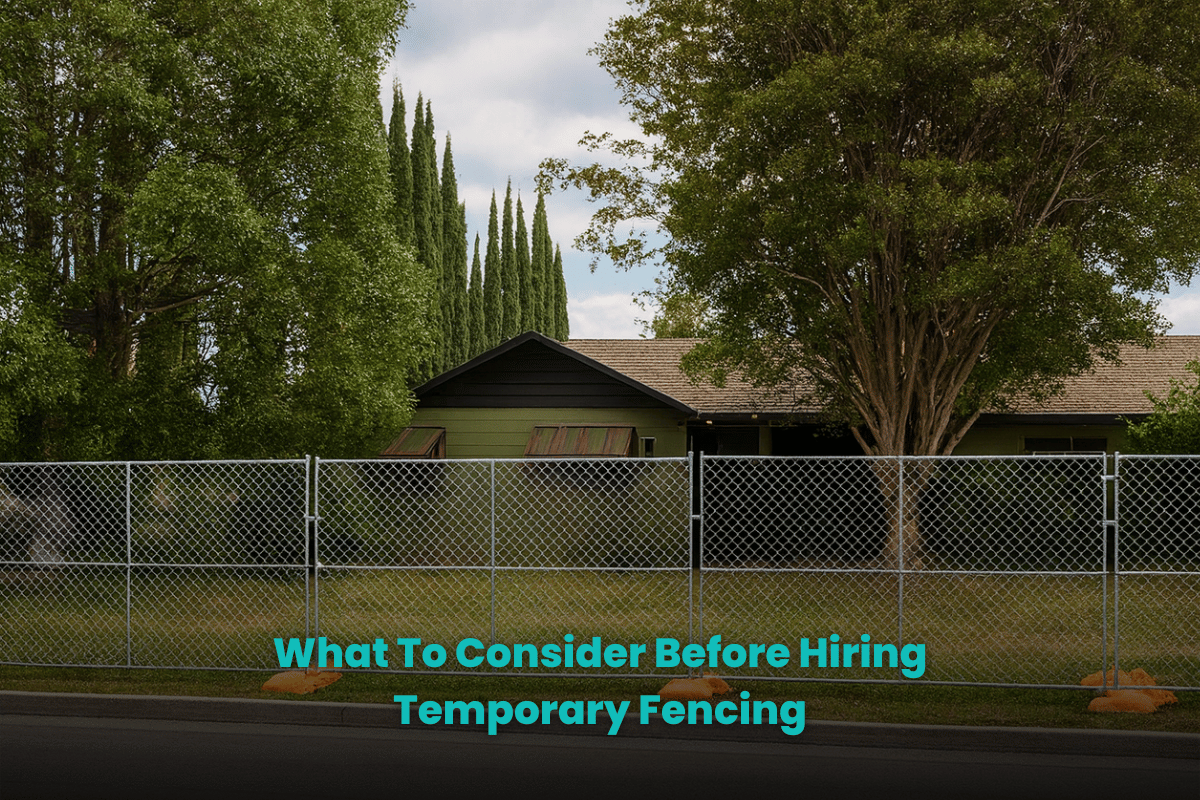
Temporary fencing might look straightforward, but choosing the right setup isn’t. Regulations vary, weather can knock panels down, and the wrong type can leave you with gaps in safety or unexpected costs.
That’s why knowing what to consider before hiring temporary fencing matters – whether it’s for a job site, event, or home project.
We’ll break down the key factors that decide if your fence does its job or lets you down.
Key Notes
- OSHA requires 6+ foot height for construction sites with lockable gates and emergency exits.
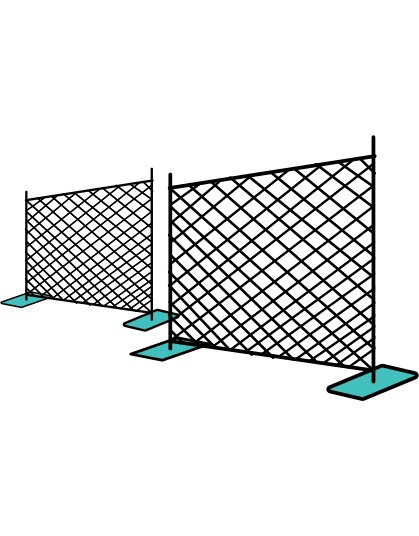
- Chain link panels work for most sites; welded mesh provides higher security and climb resistance.
- Wind is the top failure cause – use weighted feet, bracing, and wind-permeable mesh.
- Fees to look out for include delivery, installation, damage charges, and minimum rental periods.
Regulations, Permits, and Compliance
Rules vary by city and county, and construction sites carry the strictest requirements. Before you sign a contract, confirm the following.
OSHA And Safety Expectations For Construction
Fencing is used to restrict access to hazardous areas, protect the public, and support safe site operations. Many jurisdictions expect fence height near 6 feet or higher for active sites, lockable gates, and clearly posted warnings.
Emergency exits must be part of the plan.
Always verify local codes.
Local Permits and Zoning
Some cities require permits for temporary fencing. Height limits, material types, and placement near sidewalks or public rights of way are common issues.
Ask about setback rules and sightlines at corners.
ADA And Accessibility In Public Settings
If the site interfaces with the public, ensure pedestrian pathways remain accessible and clear.
Property Lines And Neighbor Access
Do not guess. Confirm boundaries and easements before anyone drills or drops bases.
Liability, Safety, and Insurance
A fence that fails can injure people and damage property. Know who carries risk, and ask for proof.
- Who is liable. Liability depends on contracts and local law. If a panel blows over, harms a pedestrian, or damages a car, the responsible party can be the installer, the project owner, or both. Clear agreements protect everyone.
- What to check. Ask for the provider’s general liability insurance and workers’ compensation. Many projects require proof of insurance before work starts. This is not paperwork for the shelf, it is your safety net.
- Risk reduction. Proper bracing, wind-rated setups, and routine inspections reduce risk. If you add banners or privacy screens, alert your provider since wind load changes the equation.
Types of Temporary Fencing & How to Choose
Different sites need different tools. Here are the common options:
Chain Link Panels
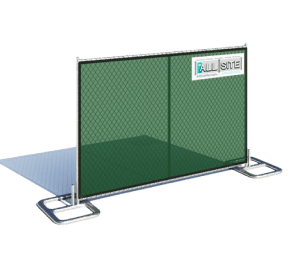
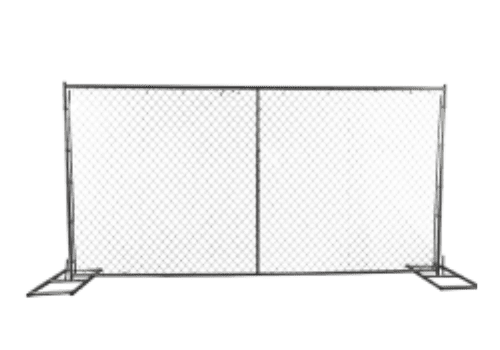
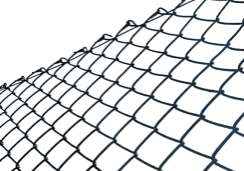
Steel mesh on steel frames. Durable, visible, cost effective. Good for most construction sites and general security. Lower climbing resistance than welded mesh.
Welded Mesh Panels
Rigid, strong, and harder to cut or climb. Common for higher security zones and long duration sites. Heavier and typically higher cost.
Crowd Control Barriers
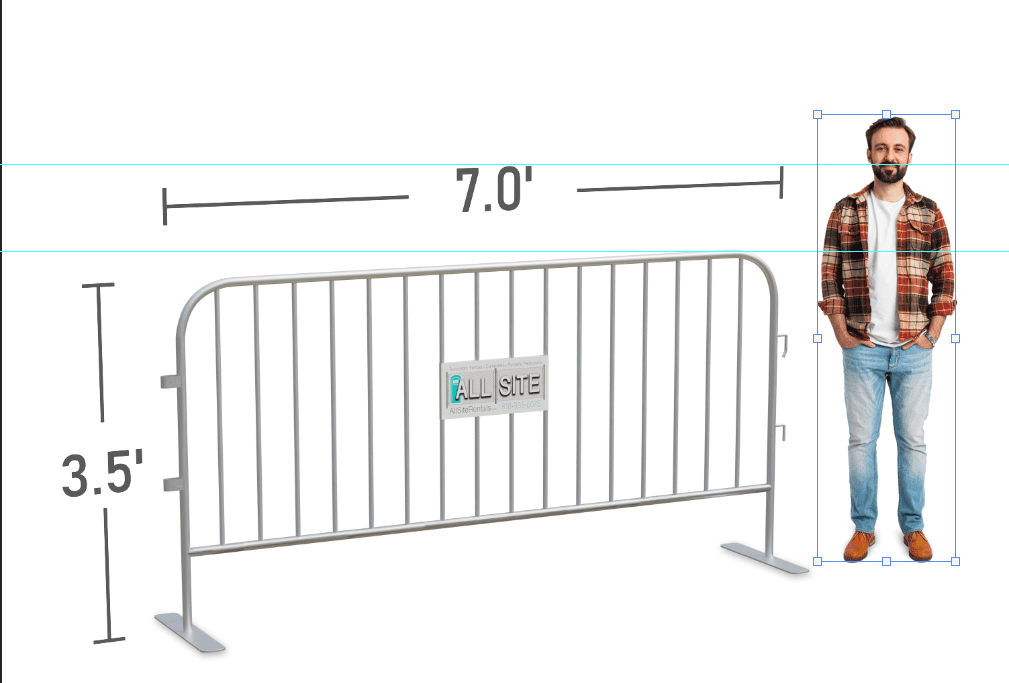
Lightweight pedestrian barricades for events, parades, and lines. Great for flow, not great for hazards or security.
On-Ground Weighted Systems
Panels with weighted feet, no digging required. Perfect for concrete, asphalt, indoor spaces, and heritage sites where ground penetration is not allowed.
Orange Plastic Mesh
High visibility, fast. Good for excavation warnings and short safety perimeters. Minimal security.
Water-filled or Concrete Barriers
Heavy-duty and impact-resistant. Used for roadworks and vehicle separation. Less portable but very stable.
Temporary Wooden or Decorative Fencing
Chosen for looks and privacy at events or residences. Not the most durable for long exposure.
Selection Checklist:
- Security level needed
- Duration of use
- Ground surface and slope
- Privacy or visibility goals
- Installation speed and access limits
- Budget and total cost of ownership
If you are on a construction site, chain link or welded mesh will likely be your workhorses. Events usually combine barriers for lines and mesh panels for back of house or restricted areas. Residential projects often pick cleaner looking panels or add privacy wraps.
Weather and Site Conditions
The environment dictates how your fence should be built. Consider the following:
- High winds. The number one cause of failures. Use heavier feet, more bracing, closer post spacing, and wind permeable mesh. Reduce or avoid full privacy screens in gusty corridors unless the setup is engineered for it.
- Heavy rain and soft soil. Saturated soil can cause feet or posts to sink. Spread the load with dual block feet, add more braces, and inspect after storms.
- Hard surfaces. Concrete and asphalt need weighted feet or water-filled bases. No drilling is required, keeping surfaces intact.
- Extreme heat and UV rays. Prolonged sun exposure can degrade inferior plastics and wraps. Ask for UV-stabilized materials and newer stock.
- Uneven or rough terrain. Expect a custom layout and extra bracing. It is worth walking the line with your installer before the truck arrives.
Small choices, like swapping to wind mesh or adjusting panel spacing, can be the difference between a stable perimeter and a 2 am call.
Costs and Hidden Fees
Transparent pricing saves headaches. Ask for a line item quote that includes everything.
Hidden fees to watch:
- Delivery and pickup charges
- Installation and removal as separate line items
- Damage, loss, or theft fees
- Deposits or bonds
- Minimum rental periods that exceed your actual need
- Extension charges for extra weeks
- Cancellation or late return fees
- Surcharges for restricted access or difficult terrain
A clear contract avoids surprises. If a quote looks low, make sure it includes delivery, setup, and removal.
Installation Considerations
Professional installation keeps people safe and reduces your risk.
- Site prep. Clear debris, confirm utilities, mark boundaries, and agree on gate locations. Walk the route with the installer.
- Panel placement. Start at corners or ends, place bases at proper intervals, and set panels loosely until alignment is perfect.
- Securing and bracing. Use coupling clamps at top and bottom, add extras in high wind zones, and install diagonal braces at corners and on long runs.
- Surface specific anchoring. Stakes for soft ground, weighted feet for hard surfaces. Do not mix and match randomly.
- Safety and maintenance. Inspect after bad weather and during high traffic days. Tighten hardware and fix damage quickly. If you add banners or wraps after install, tell your provider so they can adjust bracing.
Good providers build for the conditions they see, not the conditions they wish for.
Responsibilities During the Rental
Know who does what so nothing falls through the cracks.
- Provider. Structural integrity, normal wear and tear repairs, and support for on-site adjustments. Many will handle emergency call-outs.
- Renter. Damage from misuse, negligence, vandalism, or unauthorized modifications. Report issues quickly so they can be fixed before they grow.
- Inspections. A quick weekly walk along the fence line saves trouble. Look for loose clamps, shifting feet, or panels rubbing against vehicles or trees.
Spell this out in the rental agreement so there is no confusion.
How To Choose the Right Fencing Company
Pick a partner, not just a price.
- Reputation and reviews. Look for consistent praise about reliability and cleanliness.
- Experience and scale. Years in business and a large inventory mean faster solutions when plans change.
- Quality materials. Rust-resistant steel, solid welds, clean panels, and sturdy feet.
- Regulatory know-how. Local code awareness, ADA guidance, and safe layouts.
- Transparent pricing. Clear quotes that call out delivery, install, removal, and any add-ons.
- Customer service. Fast communication and practical advice.
- Customization. Branded wraps, privacy screens, gates, and anti-climb options when needed.
If your project is in California, confirm that equipment is California Clean Certified and meets local environmental expectations.
Common Mistakes to Avoid
- Forgetting to check permits and property lines
- Picking the wrong fence type for the risk level
- Underestimating wind and skipping reinforcement
- Expecting next day installation without scheduling
- Ignoring hidden fees and getting burned later
- Failing to plan gate locations and access routes
- Relying on a handshake instead of a written agreement
Quick Pre-Hire Checklist
Use this before you request quotes:
- Purpose and risk level are clear
- Preferred fence type and height identified
- Site map with gate locations and access routes
- Start date, end date, and any special timing constraints
- Wind exposure, soil or surface type, and terrain notes
- Privacy screen or branding needs
- Local permit and code requirements verified
- Responsibilities and insurance requirements confirmed
Secure Your Site Without The Stress
Transparent pricing, fast delivery & no hidden fees.
Frequently Asked Questions
Do I need security staff if I rent temporary fencing?
Temporary fencing adds a strong layer of protection, but it doesn’t replace human security if your site has high-value equipment or large crowds. Many customers use fencing alongside guards for complete coverage.
How far in advance should I book temporary fencing?
It’s best to book at least a week or two ahead, especially for large events or during peak construction season. This gives providers time to secure inventory and handle permits if required.
Can temporary fencing be moved after it’s installed?
Yes, but it should always be done by the provider or with their guidance. Moving panels without proper stabilization can create safety risks and may void your rental agreement.
Are privacy screens worth adding to temporary fencing?
Privacy screens are useful if you want to block views of equipment, reduce dust, or create a more polished look for events. Just remember they increase wind load, so extra bracing may be required.
Conclusion
When you’re thinking about what to consider before hiring temporary fencing, it comes down to a mix of safety, compliance, cost, and the right fit for your site.
Regulations and permits keep you legal, insurance and proper installation keep you protected, and the fence type itself determines whether your site is secure, practical, and able to stand up to the elements. Add in clarity on responsibilities and transparent pricing, and you’ve covered the bases that trip most people up.
If you’re ready to take the guesswork out, All Site Rentals can help. We handle construction, events, and residential projects with clean equipment, fast delivery, and clear contracts that don’t sneak in hidden fees. Get your free quote today and secure your site the smart way.