

How to Prevent Construction Site Theft?
How to Prevent Construction Site Theft?
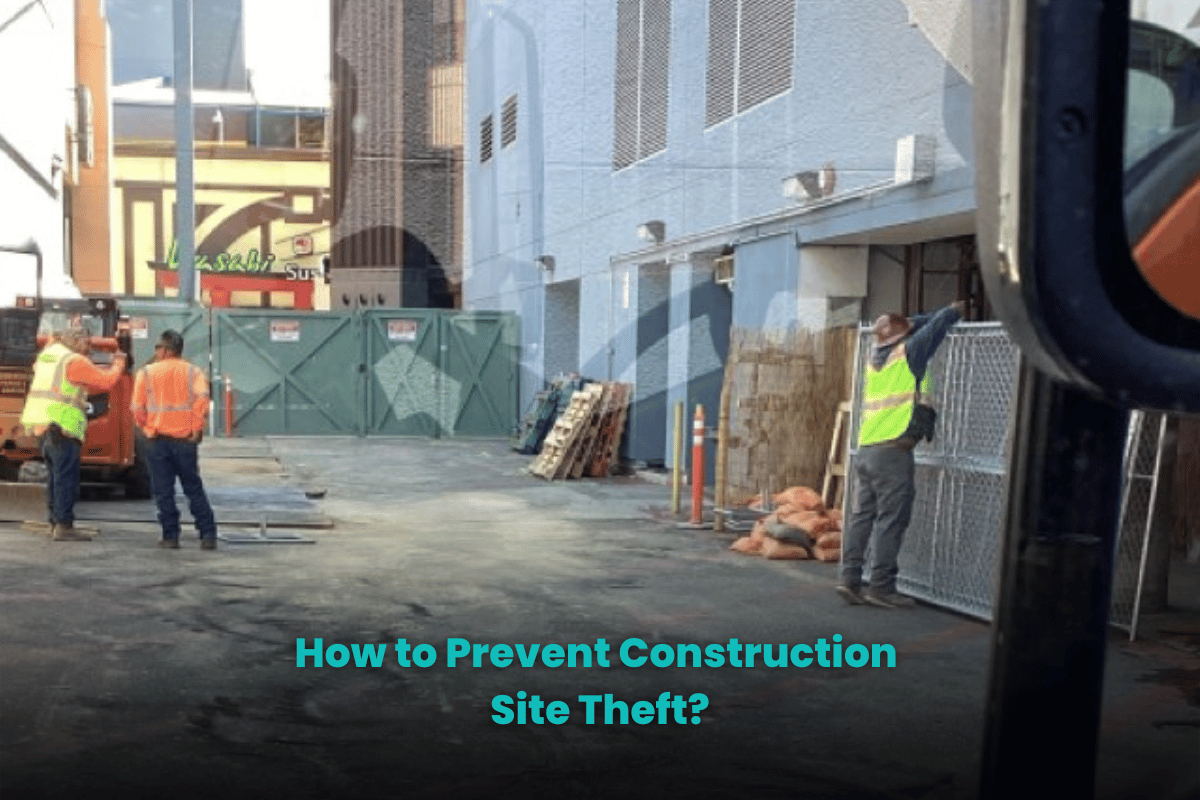
Construction sites attract attention (and not all of it good).
With valuable tools, materials, and equipment spread across open spaces, theft has become a frustrating reality for many projects. The losses don’t just hit the budget; they slow progress and complicate schedules.
We’ll break down how to prevent construction site theft with real, on-the-ground strategies that keep your site secure without adding unnecessary hassle.
Key Notes
- Install 2-3m anti-climb fencing with barbed topping and double-clipped reinforced panels.
- Single controlled entry with digital access logs; review off-hours entries weekly.
- Motion-activated perimeter lighting plus continuous coverage at gates and storage areas.
- Real-time camera monitoring with audio challenge deters intrusions before material loss.
Perimeter First: Fencing That Deters
Your fence sets the tone. The goal is to make unauthorized entry noisy, slow, and risky.
Right System For The Risk:
- Anti-climb welded mesh panels for high-risk jobs. Small apertures mean no footholds and harder to cut.
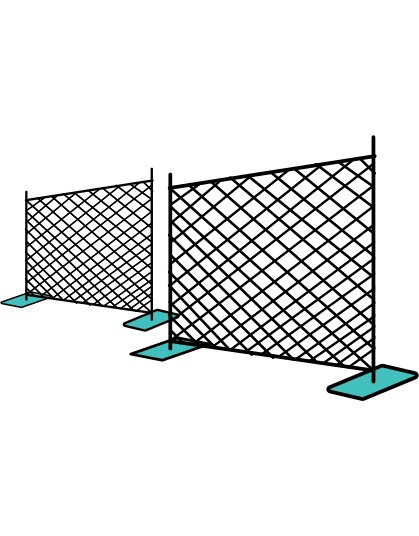
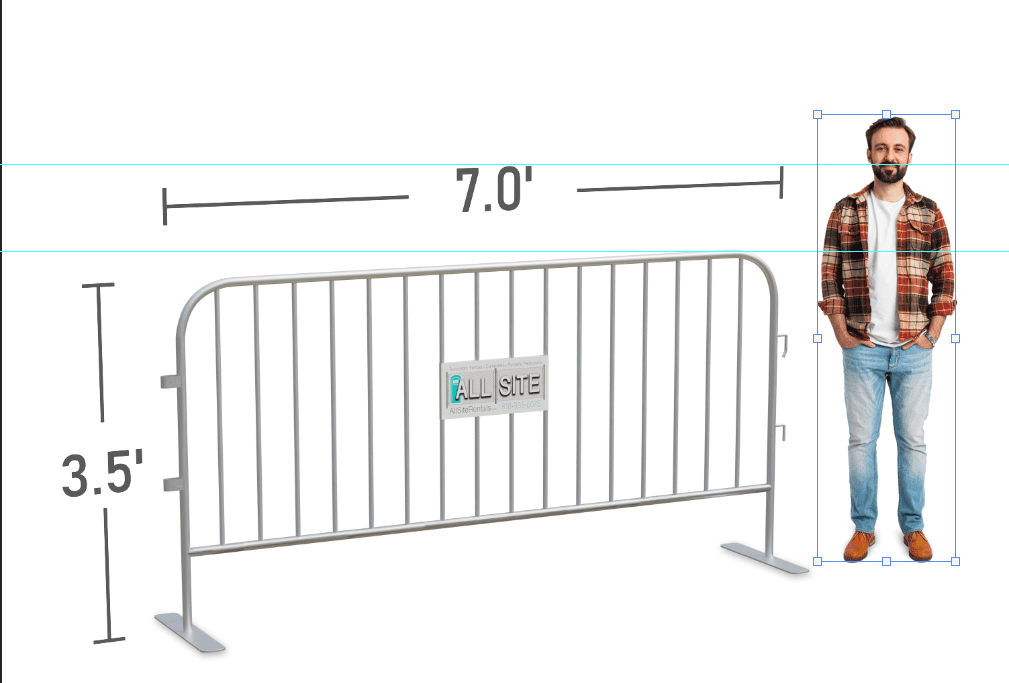
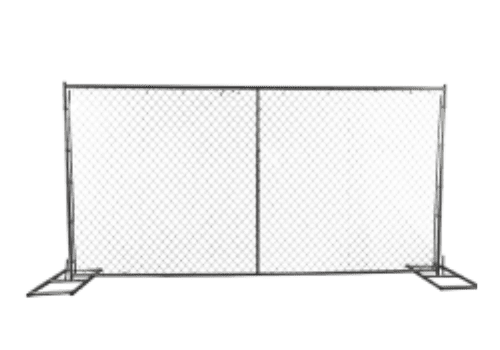
- Reinforced mesh panels (Heras-style) with anti-lift devices, stabilizers, and barbed or roller topping where appropriate.
- Chain link with barbed or razor topping for moderate risk. Budget-friendly but easier to breach if not reinforced.
- Solid hoarding in urban or sensitive locations where privacy matters. Great for noise and dust too.
- On-ground systems with weighted bases where you cannot dig. Add extra bracing.
Design Spec You Can Copy:
- Height: 2 to 3 meters as a baseline for deterrence.
- Toppings: barbed, razor, or rotating anti-climb where allowed.
- Fixings: anti-tamper clips and double-clipping every panel-to-panel join.
- Gates: minimize count, position for visibility, and reinforce the hinge and latch sides.
- Privacy: screens help block line-of-sight to valuables. Balance with camera visibility.
Common Installation Mistakes:
- Weak bracing at corners and gates.
- Panels not double-clipped or anchored on soft ground.
- Gaps under panels on uneven terrain.
- No maintenance after storms or high winds.
Maintenance Cadence:
- Weekly walk-down plus a post-storm inspection.
- Re-tighten clips, re-level bases, and clear debris under panels.
Control The Gate: Access & Check-In That Close Insider Gaps
Most breaches walk through a lax gate. Treat entry like a controlled work process.
Standards That Work:
- Single controlled entry whenever possible.
- Badges, PIN pads, or biometrics tied to a digital log.
- Visitor and vendor protocols with photo ID and purpose of visit.
- Zoned access for tool cages, fuel, and electrical rooms.
Logging and Audits:
- Daily roster matched to access logs.
- Weekly review of off-hours entries.
Deliveries:
- Set delivery windows aligned to supervision. Hold drivers at the gate until verified.
- Sign for everything. No signature, no drop.
The result is simple: Less confusion. More accountability.
Light It Right: A Practical Lighting Plan
Lighting is both a deterrent and an insurance against accidents.
Place Lights Where They Matter:
- Full perimeter wash with focus on all gates.
- Storage yards, tool containers, and material stockpiles.
- Dark corners and around temporary structures.
- Walkways and vehicle routes.
Control Approach:
- Continuous lighting in critical zones.
- Motion-activated lights at secondary edges to draw attention when someone moves.
Power Plan:
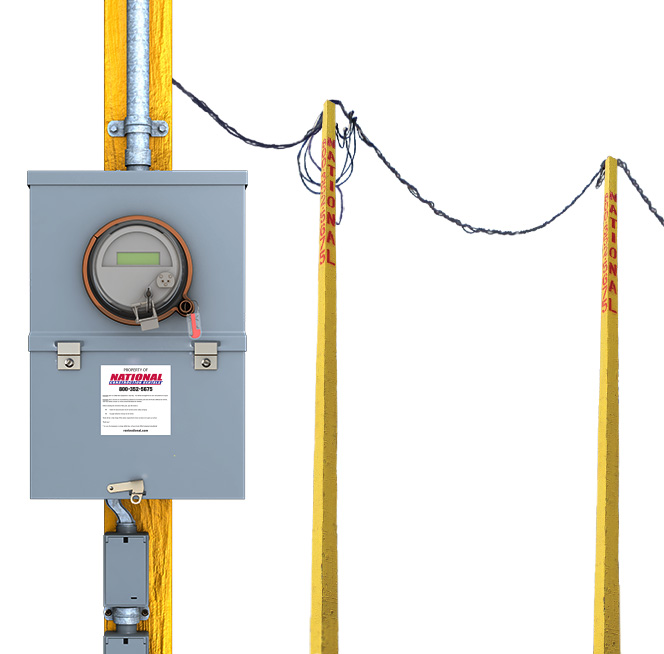
- Use temporary power poles sized for current and future loads.
- Add backup for critical zones if outages are common.
Watch & Respond: Cameras, Sensors, Remote Monitoring
CCTV that only records is a post-incident tool. You need detection and response.
Coverage Mix:
- Fixed cameras for chokepoints and gates.
- PTZ for yards and laydown areas.
- Thermal or low-light where visibility is poor.
Rapid-Deploy Options:
- Mobile towers that move with your work fronts.
Real-Time Intervention:
- Motion analytics tied to alerts.
- Audio challenge and live talk-down to push intruders off before a breach.
- Clear response rules: who gets the alert, who calls law enforcement, who meets them at the gate.
Evidence is great. Prevention is better.
Secure The High-Value Targets
Tools:
- High-security jobsite chests and lockable containers.
- Smart locks or protected padlocks, shrouded shackles only.
- Mark and register tools. Photograph serial numbers.
Copper, Cables & Lumber:
- Schedule deliveries as close as practical to install windows.
- Store away from fence lines. Shield from view with screens or hoarding.
Fuel:
- Anti-siphon caps and metered dispensers.
- Keep tanks inside the secure zone with lighting and camera coverage.
- Log every refuel with operator ID.
Heavy Equipment and Generators:
- Immobilizers, cages, or physical anchors.
- GPS tracking on anything that could be trailered away.
Do the boring things consistently. They work.
Temporary Power and Security
Temporary power unlocks your security stack. Cameras, lights, alarms, gates, comms. Plan it like you plan the crane.
Good Practice:
- Proper grounding, protected runs, and weather-rated connectors.
- Label circuits and reserve capacity for security loads.
- Secure generators and distribution boards. They are targets too.
Avoid Outages:
- Test after every storm and after any site power change.
- Add UPS or battery backup for access systems and key cameras.
People, Policy & Process
Daily Open & Close:
- Open: Inspect fence, unlock containers, verify cameras online, test talk-down.
- Close: Lock all storage, immobilize equipment, verify gate status, run perimeter check.
Keys & Gates:
- Central key list. Issue and return with timestamps and signatures.
- Electronic key cabinets if the job warrants it.
- Immediate response for lost or stolen keys. Rekey or revoke access the same day.
Deliveries & JIT:
- Do not stockpile what you cannot secure.
- Keep high-value drops aligned to labor and install windows.
Training:
- Ten-minute toolbox talk on theft awareness for every crew rotation.
- Make security part of the safety culture. Same seriousness, same consistency.
Subcontractor Agreements:
- Spell out security obligations, storage rules, and penalties for violations.
Signage That Works
Low-cost and high-impact when you place it right.
Message Types:
- 24/7 video surveillance, restricted access, trespassers prosecuted.
- Hazard and PPE requirements at all entries.
Placement: Every gate, along the perimeter at regular intervals, at storage areas, and near dark corners.
Clear signs increase perceived risk and help with compliance and prosecution.
Guards vs Tech: When 24/7 Presence Makes Sense
You do not always need a guard, but sometimes a uniform is the best deterrent.
Use Guards When:
- Asset values are high.
- Multiple gates or long perimeters are hard to cover with cameras alone.
- The site is remote or has a history of incidents.
Hybrid Approach:
- Remote monitoring for breadth, random patrols for unpredictability, and a rapid response vendor for escalations.
Choose coverage that fits the risk, not a default contract.
Incident Response and Recovery
When something happens, move fast and follow a script.
Immediate Actions:
- Secure the scene. Do not touch anything.
- Verify what is missing against your inventory.
- Pull camera footage and preserve it.
- Call law enforcement and the PM. Start the incident report.
After-Action:
- Fix the root cause. If they lifted a panel, add anti-lift and a brace. If they exploited a dark corner, add light and camera coverage.
Every incident should make the site harder to hit next time.
Implementation Roadmap
- Week 0: Risk assessment, perimeter layout, gate plan, vendor bookings, and permits.
- Week 1: Install fencing, gates, signage. Close secondary access points.
- Week 2: Lighting plan online. Cameras and remote monitoring configured.
- Week 3: Secure storage in place. GPS on high-value equipment. JIT delivery rhythm starts.
- Ongoing: Weekly walk-downs, log reviews, incident drills, and phase-change reassessments.
Want A Theft-Resistant Jobsite Without The Hassle?
Rent secure fencing & power – delivered when you need them.
Frequently Asked Questions
How can I keep my construction site secure during project shutdowns or weather delays?
Use a “shutdown mode” checklist: lock and anchor all equipment, remove small tools, reinforce fencing, and activate 24/7 monitoring. Even short idle periods are prime theft windows if security isn’t maintained.
Are insurance discounts available for sites with strong security setups?
Yes. Many insurers offer reduced premiums or faster claims processing when you document measures like anti-climb fencing, CCTV coverage, and access control logs. Always confirm and keep photos or receipts as proof.
What’s the best way to handle theft from subcontractors or insider access?
Limit access by zone, issue individual keycards or codes, and require sign-outs for high-value tools. If theft occurs, review access logs and involve all subcontractors in security briefings to reinforce accountability.
How often should site security plans be reviewed or updated?
Reassess at every project phase or major site change—typically every 4–6 weeks. As materials, crew size, and layout shift, so do your vulnerabilities. Continuous review keeps your plan effective.
Conclusion
Most theft on site doesn’t happen in the dark – it happens in the gaps.
A fence left unanchored. A gate that’s easy to lift. Lighting that flickers out for a night. Knowing how to prevent construction site theft means spotting those weak points before someone else does.
Strong perimeter, steady power, clear control – that’s what keeps jobs moving and budgets intact.
If you’re setting up a site, get a free quote for secure temporary fencing and power. We’ll make sure your crew can work without looking over their shoulder.