




Guide to Temporary Construction Power (2026)
Guide to Temporary Construction Power (2026)
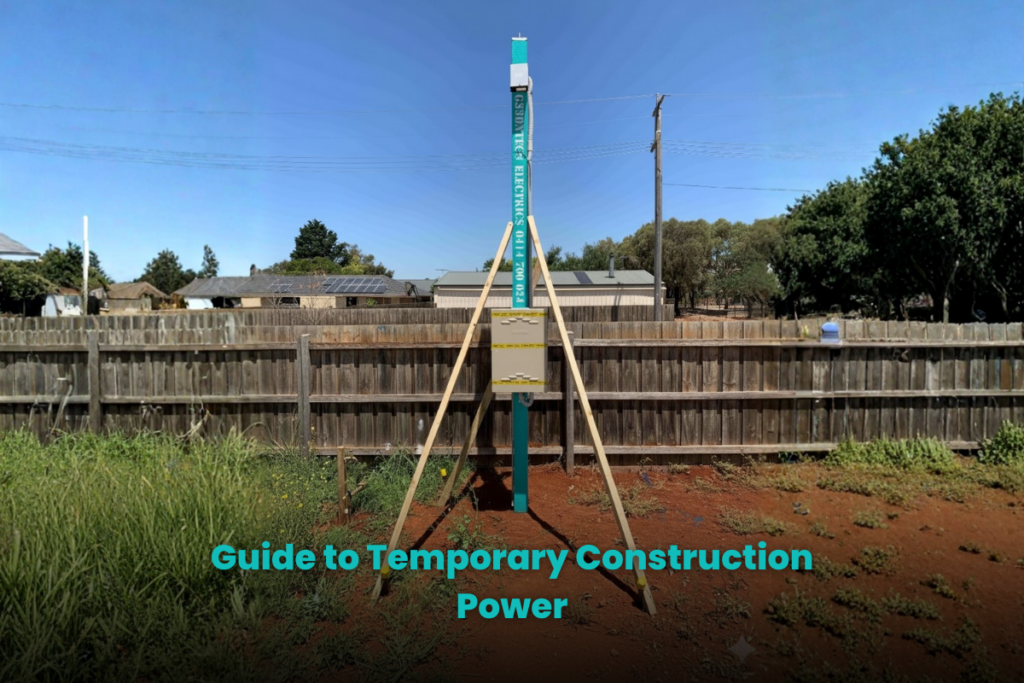
Temporary construction power might look straightforward from the outside, but anyone who has dealt with utilities, inspections, or shifting timelines knows there’s a lot more going on behind those panels and poles.
It powers the tools, trailers, lighting, and safety systems that keep jobs progressing day after day, and getting it right can prevent a long list of avoidable delays.
We’ll break down what temporary construction power involves, how it works in Los Angeles, what it costs, and the planning steps that help projects stay on schedule.
Key Notes
- It powers tools, trailers, lighting, and safety systems until permanent electrical is ready.
- Plan 3-6 weeks ahead for permits, utility coordination, and inspection approvals.
- Total cost ranges $1,700-$4,500 including setup, rental, permits, and utility fees.
- LA requires C-10 contractor permits, GFCI protection, grounding, and code inspections.
What Is Temporary Construction Power?
Temporary construction power is a temporary electrical infrastructure installed on a job site to power tools, lighting, equipment, and temporary onsite facilities until permanent power is activated.
It’s required in Los Angeles because brand‑new sites don’t typically have permanent electrical connections ready to use.
Construction teams rely on temporary power to:
- Operate machinery and cordless tool chargers
- Run jobsite office trailers, HVAC, and communication systems
- Power lighting for early starts and late shifts (because deadlines don’t respect daylight hours)
- Maintain safety and security systems like cameras and alarms
Key Components of Temporary Construction Power
Most setups include:
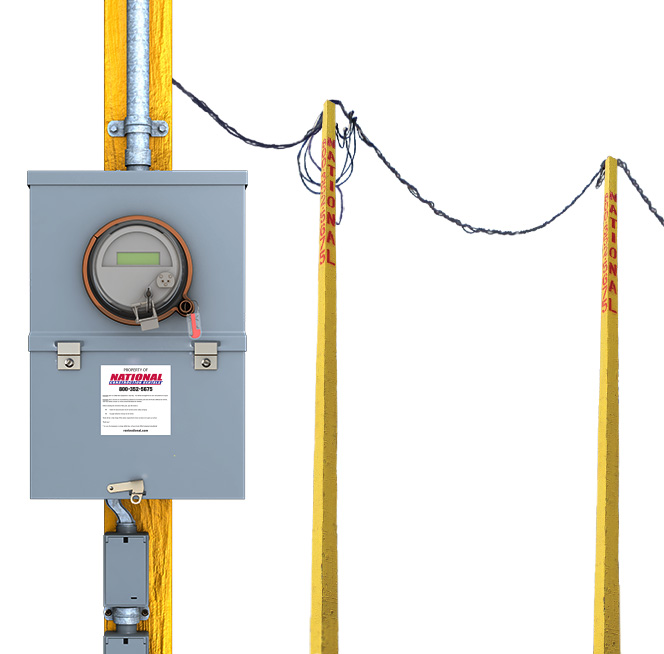
- Temporary power poles (overhead or underground)
- Distribution panels with GFCI‑protected outlets
- Transformers and appropriate breakers based on load
- Grounding rods and safety disconnects
- Temporary lighting and emergency egress fixtures
Everything must be code‑compliant and approved by local inspectors before a utility will energize the service.
How Temporary Power Works on a Construction Site
Power Sources
There are two main ways power reaches the site:
- Utility‑fed service through a temporary power pole (most common in LA)
- Generators for remote or fast‑moving projects
Large commercial projects may use a combination of both, so different phases of work can run without downtime.
What Gets Powered?
Temporary power poles typically support:
- Standard tools like saws, drills, compressors, welders
- Heavy equipment requiring electric start or power support
- Jobsite offices: computers, printers, HVAC, lighting
- Temporary lighting systems
- Safety equipment: cameras, alarms, signage
Power needs range from basic 120‑volt circuits up to three‑phase power for industrial tools and machinery.
Types of Temporary Power Poles
There are two flavors of temporary power poles, chosen based on site conditions and code requirements.
Overhead Temporary Power Poles
- Used when overhead utility lines are available
- Faster to set, easier to maintain
- Most cost‑efficient option
Underground Temporary Power Poles
- Used in new communities or aesthetic‑restricted areas
- Requires trenching and conduit
- More durable, less visible infrastructure
| Feature | Overhead | Underground |
|---|---|---|
| Installation Type | Standard commercial and residential builds | High-end or safety-sensitive areas |
| Best For | Standard commercial and residential builds | High-end or safety-sensitive areas |
| Cost | Lower | Higher |
| Complexity | Faster and more flexible | Requires digging and extra planning |
Temporary Power vs Generators
A temporary pole isn’t always required. Generators may be a better fit when:
- The site is remote or has no nearby utility infrastructure
- The project is short in duration (like a pool house or small tenant improvement)
- Phases of construction move around the property
Pros
- Instant power
- Flexible placement
- No utility coordination
Cons
- Fuel, maintenance, and noise
- Limited output for larger projects
Most residential and long‑term developments eventually require a utility‑connected temporary pole for reliable power.
Planning Temporary Construction Power
Temporary power should be planned during pre‑construction. Not when the first subcontractor shows up looking for a plug.
Early planning avoids:
- Project delays
- Failed inspections
- Costly rework
Load Calculations: Right‑Sizing Your Power
The electrical contractor will estimate:
- Tool and equipment needs
- Lighting loads
- Trailer and HVAC power
- Safety system requirements
Planning extra capacity is smart because job sites rarely become less demanding as work progresses.
Temporary Electrical Requirements in Los Angeles
Los Angeles has strict requirements to keep workers and neighborhoods safe.
Permits and Licensing
- Must be pulled by a licensed C‑10 electrical contractor or authorized agent
- LADBS handles temporary power permits in the City of LA
- LADWP or SCE handles the utility connection
Code Compliance
Inspections verify:
- Proper grounding
- GFCI protection
- Weatherproof equipment
- Breakers sized correctly
- Tamper‑resistant and shock‑safe receptacles
Required Documentation
- Load calculations
- Single‑line diagrams (when required)
- Property owner authorization
- Utility planner approval
Common Violations That Delay Projects
- Exposed or damaged wiring
- Overloaded circuits
- Incorrect grounding
- Missing GFCIs (fastest way to fail inspection)
- Paperwork errors
Step‑by‑Step: Installing a Temporary Power Pole in LA
- Permits pulled by a C‑10 contractor/authorized agent
- Utility planner visit to confirm meter and pole location
- Temporary power pole installation by contractor or power provider
- LADBS inspection to approve code compliance
- Utility energization once approvals are cleared
- Ongoing maintenance until permanent power takes over
Typical Timeline
Most jobs move through this in 3 to 6 weeks:
- Permits: 1 to 3 days
- Utility planning: 1 to 2 weeks
- Installation: a few days
- Inspection: promptly scheduled once installed
- LADWP/SCE meter and activation: 5 to 10 days
The biggest delays usually come from:
- Failed inspections
- Incorrect pole placement
- Utility scheduling backlog
Getting an experienced provider is the shortcut.
Temporary Construction Power Cost in Los Angeles
Most construction sites in Los Angeles spend between $1,700 and $4,500 total for a temporary power pole, including:
- Installation
- Meter setup and utility coordination
- Permits and inspections
- Monthly rental fees
Cost Breakdown:
| Cost Component | Typical Price |
|---|---|
| Initial Install & Setup | $1,000 to $2,500 |
| Monthly Rental | $95 to $200 per month |
| Permits & Inspections | $100 to $500+ |
| Utility Fees | $500 to $2,500 |
| Removal | Usually included |
Overhead vs Underground Cost Difference
Underground is more expensive because trenching and conduit aren’t cheap.
Per‑foot pricing:
- Overhead wiring: $1.20+/ft
- Underground wiring: $1.50 to $3+/ft
The farther your job sits from power, the more these numbers matter.
Ready To Power Up Your Jobsite?
Avoid delays and stay inspection-ready from day one.
Frequently Asked Questions
How early should I book temporary power for my project?
Ideally, 3 to 6 weeks before you need power on site. That allows time for permitting, utility planning, installation, and inspection without pushing back your schedule.
What happens if my project timeline changes or extends?
Temporary power rentals are flexible. You can extend as long as needed, and the equipment remains onsite until permanent power is connected and cleared.
Can temporary power poles support three-phase electricity?
Yes. Many commercial or industrial builds require three-phase service, and temporary poles can be configured to provide it as long as utilities approve the load.
Who is responsible for maintaining temporary power equipment?
The provider typically handles repairs and maintenance during the rental period, while the contractor must ensure safe usage and keep the site accessible for service.
Conclusion
Temporary construction power isn’t just “one more thing” on the checklist. It’s what lets crews start pouring foundations before sunrise, powers the trailers where the plans are changing for the tenth time, and keeps security cameras running long after everyone’s gone home.
Getting it set up properly means thinking ahead: the permits, the utility planner visits, choosing overhead vs underground, and sizing power for everything from drills to three-phase gear.
And in Los Angeles, doing it right the first time is what keeps inspections smooth and the project timeline from slipping week by week.
If you want temporary construction power that shows up when you need it, passes inspection, and just works, we can help. Get a free quote and keep your build moving without unnecessary delays.