
Can You Buy A Porta Potty? And Should You?
Can You Buy A Porta Potty? And Should You?

Buying a porta potty is absolutely possible. The bigger question is whether you should.
For some people, ownership saves money, removes availability headaches, and gives full control over features. For others, renting is smarter, cheaper, and far less to manage.
We’ll walk through costs, types, regulations, cleaning responsibilities, and the simple tests that tell you which route fits your situation.
Key Notes
- Purchase prices range $700-$1,200 for standard units; luxury trailers cost $10,000-$100,000+.
- Annual ownership costs typically run $500-$2,000 per unit, depending on usage frequency.
- Buying makes sense for year-plus continuous use; renting is better for short-term needs.
Can You Buy a Porta Potty?
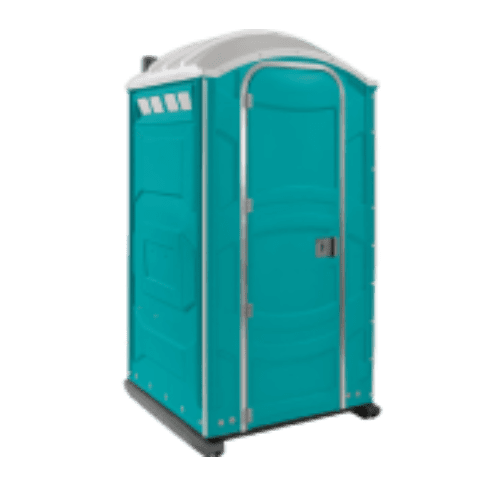
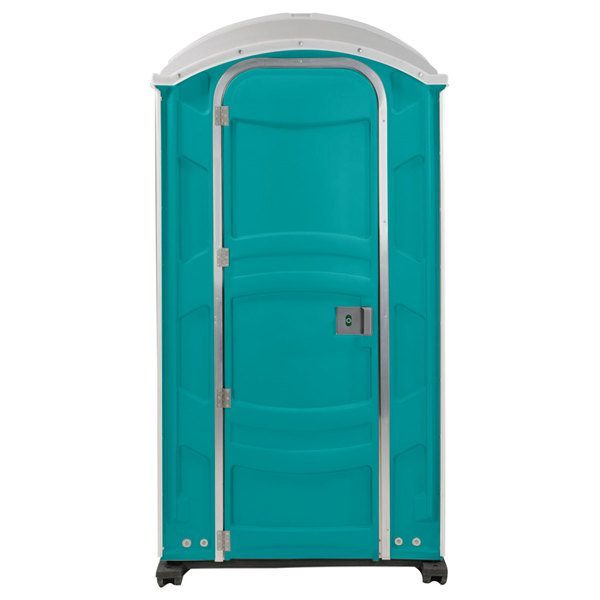
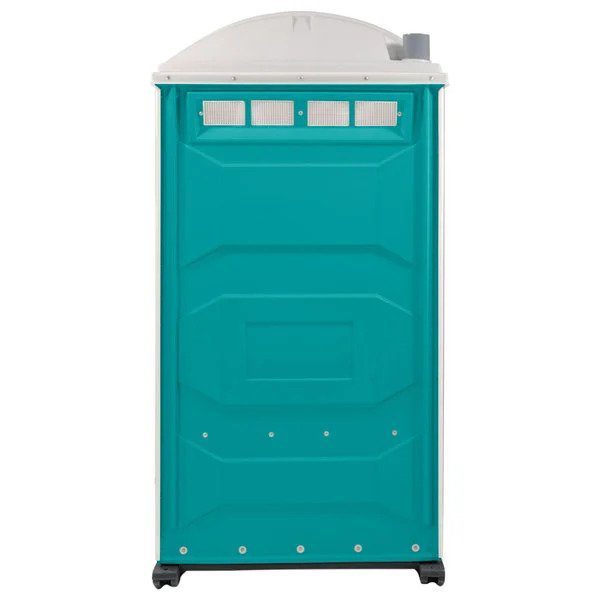
Yes. Individuals, businesses, and public agencies buy portable toilets outright.
Common buyers include construction companies with ongoing sites, event venues with frequent outdoor gatherings, farms and stables, campsites, municipalities that service parks, and homeowners handling long renovations or properties without easy sewer access.
Why people buy:
- Long-term savings when units are used often
- Immediate availability
- Ability to add branding or finishes for events
- Potential resale value later
Why most people rent:
- No upfront purchase cost
- Servicing, pumping, and repairs are handled for you
- Easy to scale up or down for headcount and season
- No storage or transport to worry about
If your need is short-term or occasional, renting wins for simplicity. If your use is frequent or permanent, buying can work.
Buying vs Renting Porta Potties
Pros of Buying
- Cost-effective over multiple years of frequent use
- Always available, no need to chase inventory during busy seasons
- Customizable features and branding
Cons of Buying
- Upfront capital outlay
- You own cleaning, pumping, supplies, and repairs
- You must arrange licensed waste disposal and keep records
- Storage, transport, and placement are on you
Pros of Renting
- Low upfront cost, predictable monthly invoices
- Professional delivery, setup, servicing, and waste disposal included
- Flexible durations and quantities
- Easy upgrades to ADA or VIP trailers as needed
Cons of Renting
- Limited customization on standard units
- Availability depends on demand in your area
Quick rule of thumb: If you expect to use a standard unit frequently for longer than a year, buying begins to make sense. For projects measured in days, weeks, or a few months, rent.
How Much Does It Cost To Buy Or Rent?
Purchase Prices
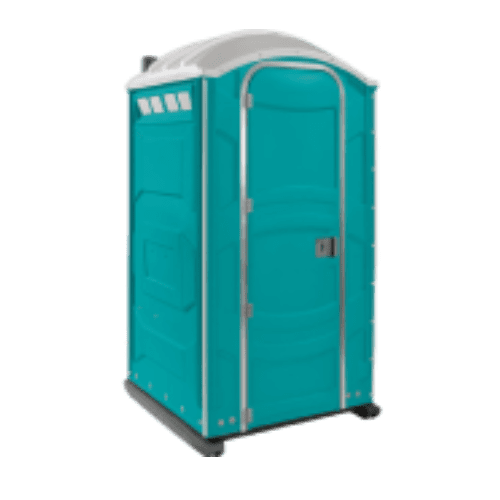
- Standard units: typically $700 to $1,200 for a new unit
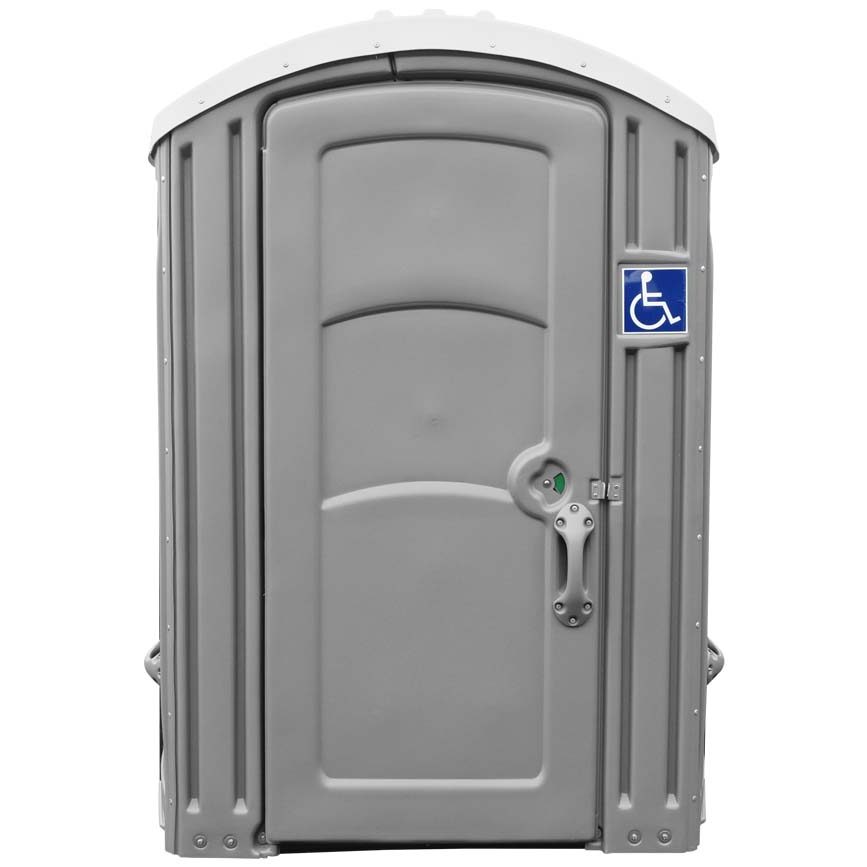
- ADA-compliant or wheelchair accessible: $1,600 to $2,500
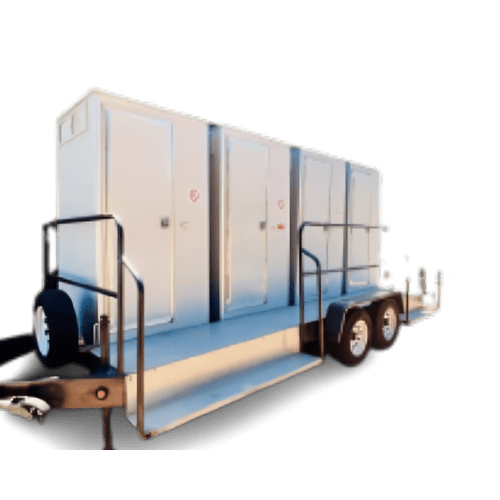
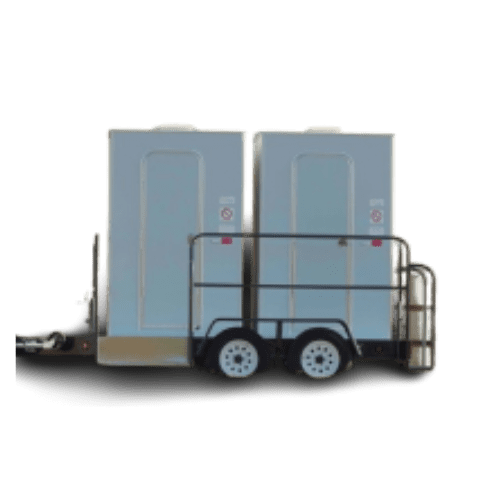
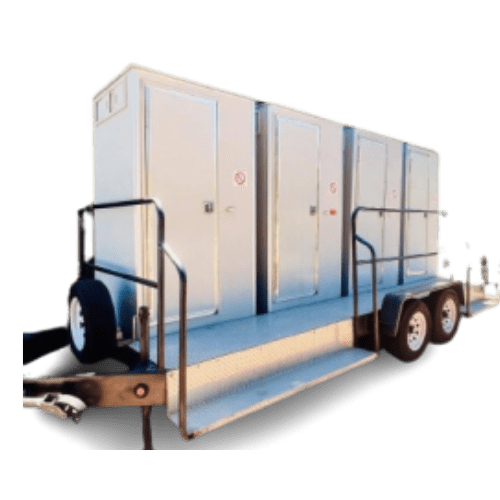
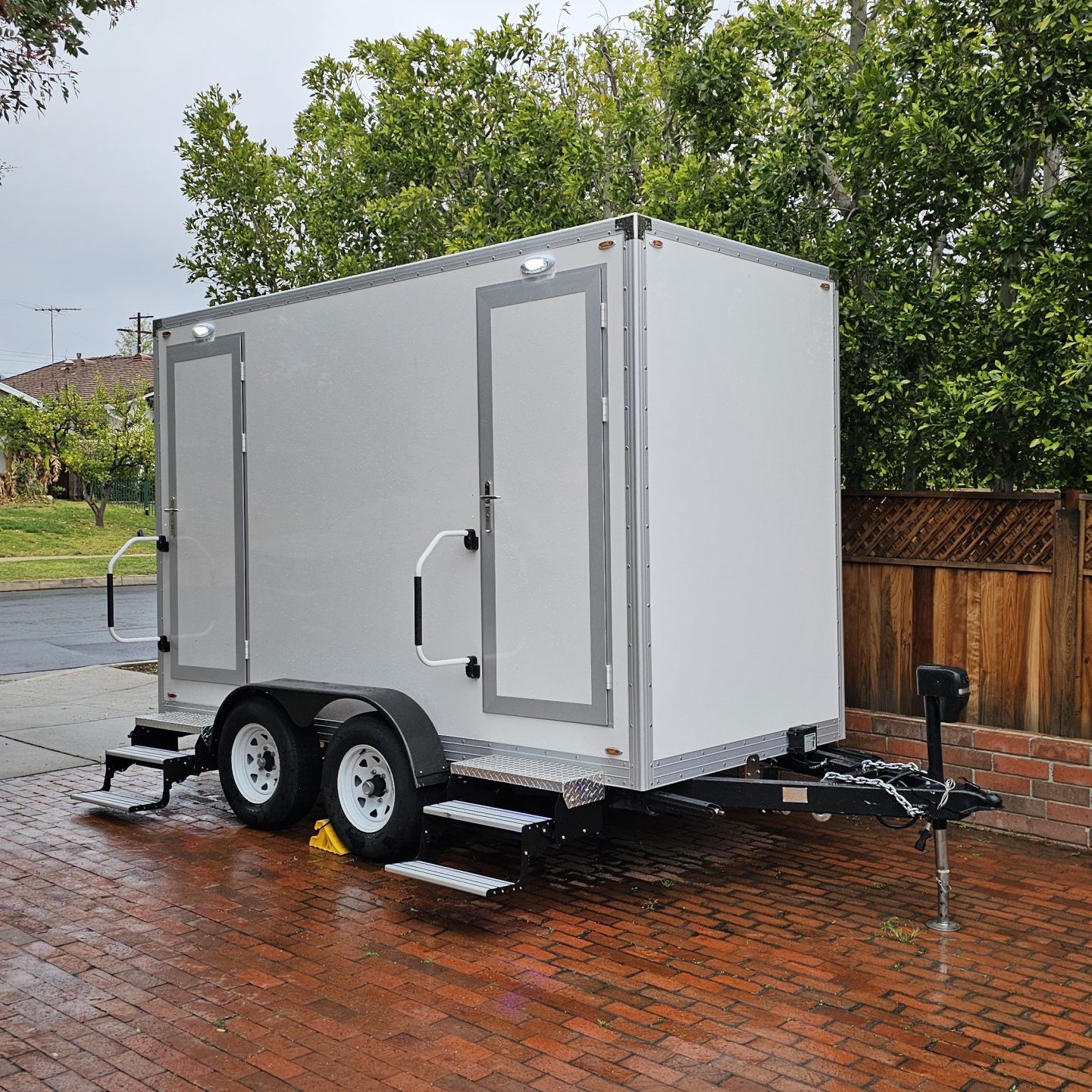
- Luxury restroom trailers: from $10,000 to well over $100,000, depending on size and finish
- Used units: often 30–50% less than new; condition matters
Rental Prices
- Standard units: usually $100 to $300 per month; region and service frequency affect price
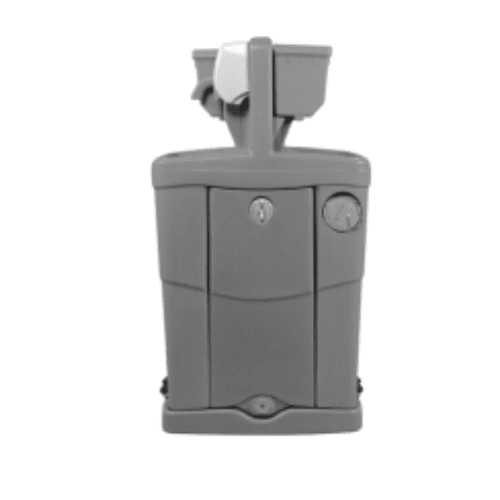
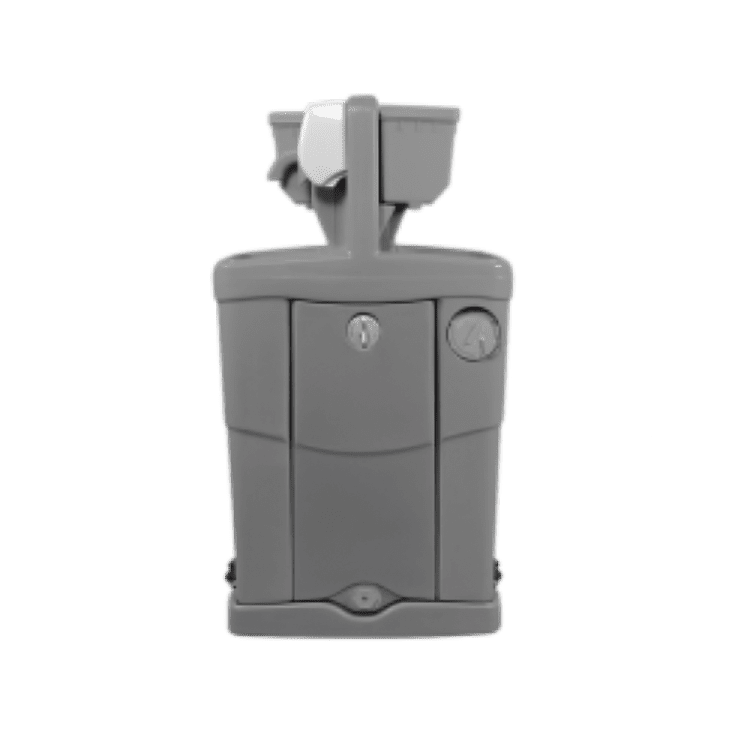
- Units with sinks or flush features: about $150 to $350 per month
- Luxury trailers: commonly $900 to $3,000+ per month
Side by Side Cost Snapshot
| Type | Buy Price | Rent Price per Month |
|---|---|---|
| Standard unit | $700–$1,200 | $100–$300 |
| ADA compliant | $1,600–$2,500 | $175–$350 |
| Luxury trailer | $10,000–$100,000+ | $900–$3,000+ |
Buying trades upfront cost for lower long-term outlay, provided you use the unit often and can manage servicing. Renting trades a higher long-term cost for convenience and zero ownership headaches.
The Ongoing Costs Of Ownership
Owning the unit means owning the operations. Budget for:
- Pumping and cleaning: typically $20 to $100 per service visit, but frequency depends on usage. Heavy traffic units often require weekly service, sometimes more in hot weather.
- Supplies: toilet paper, sanitizer, deodorizing chemicals, and cleaning agents. Expect small but steady costs.
- Repairs and wear items: hinges, latches, vents, pumps, and seals. Rough annual range is $50 to $300 per unit.
- Storage: secure space when units are off duty, sometimes paid yard space.
- Seasonal needs: winterizing chemicals, heated storage in colder regions.
- Service management: most owners contract a licensed sanitation company for routine pumping and disposal, which increases cost, but ensures compliance and quality.
A realistic annual range for a standard unit under regular use is about $500 to $2,000 per unit, depending on traffic and service frequency.
Legal, Health, And Safety Requirements
Waste Disposal
Portable toilet waste is sewage. Disposal must be handled by licensed carriers who transport it to approved treatment facilities.
DIY dumping into public sewers or standard septic systems is illegal and unsafe. Keep records of service for compliance.
Permits and Placement
Units placed on public rights of way or public property generally require a permit and public liability insurance.
Private land usually does not require a permit, however local zoning and homeowners associations may restrict visible or long-term placement.
Commercial & Construction Rules
Work sites have specific sanitation requirements that are enforced. Accessibility provisions apply for public access and events. Documented regular servicing is often required by law or contract.
When in doubt, ask your local authority or rely on a professional provider to guide compliance.
Lifespan And Maintenance Expectations
With basic care, a standard high density polyethylene unit will often last 5 to 10 years.
Heavy use on construction sites may push lifespan toward the lower end. Luxury or specialty trailers can last many years with professional maintenance.
How to extend lifespan:
- Service on a consistent cadence, more often in hot weather or high traffic
- Use quality deodorizing and cleaning chemicals
- Fix small issues early to avoid bigger repairs
- Store units out of harsh sun and weather when not in use
When Buying Makes Sense, And When Renting Is Smarter
Buy if you:
- Need restrooms continuously for a year or more
- Run recurring events or operate farms, stables, or campgrounds
- Manage long-term or permanent job sites
- Want full control over availability and features
- Have storage, transport, and service plans in place
Rent if you:
- Host short events like weddings, festivals, or weekend projects
- Have occasional or seasonal needs with fluctuating headcount
- Prefer to avoid storage, cleaning, and legal compliance management
- Need flexibility to scale quantity and upgrade types quickly
Common Mistakes When Choosing To Buy
- Underestimating the time and cost of cleaning, pumping, and supplies
- Skipping a storage and transport plan
- Overlooking permits, placement rules, and accessibility needs
- Assuming resale value will offset most costs
- Buying the wrong mix of standard and ADA units for the audience
Avoid these pitfalls by mapping real usage, service cadence, and storage before you buy.
Frequently Asked Questions
Do porta potties come with warranties when you buy them?
Yes, most new units include a manufacturer’s warranty that covers defects in materials or workmanship for a set period (usually 1–3 years). Used units may not include a warranty, so always confirm before purchasing.
Can I finance a porta potty instead of paying upfront?
Some suppliers and equipment dealers offer financing or lease-to-own options. This can spread the cost over time, but make sure to compare total financing costs against long-term rentals.
What’s the resale market like for porta potties?
There is a resale market, especially for standard units in good condition. Values drop over time, but well-maintained units can sell for 30–50% of their original price.
Are there tax benefits to buying porta potties for a business?
Yes, porta potties are considered business assets. Depending on your region, you may be able to depreciate them over several years or deduct them as a capital expense. Always check with your accountant for specifics.
Conclusion
So, can you buy a porta potty? Absolutely – and for some, it’s the smarter financial move. If you’re running a farm, managing a long-term construction site, or hosting recurring events, owning can save money over time and give you full control.
But for most short-term or occasional needs, renting is usually the smarter choice. Rentals keep things simple: no storage, no servicing responsibilities, and the flexibility to choose the right type of unit when you need it.
If renting feels like the right fit, we make it easy with clean units, reliable delivery, and servicing that keeps everything compliant and worry-free. Get a free quote today and plan your site or event with confidence.