

How To Secure Temporary Fencing?
How To Secure Temporary Fencing?
Temporary fencing is one of those things people only think about when it goes wrong. A panel that tips over can slow down work, invite trespassers, or even trigger compliance issues.
Luckily, most of these problems are avoidable if the fencing is secured properly from the start. We’ll walk through how to secure temporary fencing with the right methods, tools, and checks.
Key Notes
- Weighted bases work on hard surfaces; ground stakes suit soft soil; braces stabilize corners.
- Secure panels at three points with couplers and overlap by 200-300mm for stability.
- High-wind areas need mesh panels, heavier bases, guy wires, and tighter spacing.
- Daily inspections catch loose clamps, leaning panels, and gaps before they become hazards.
Types of Temporary Fencing & How to Secure Each
Mesh Panel Fencing
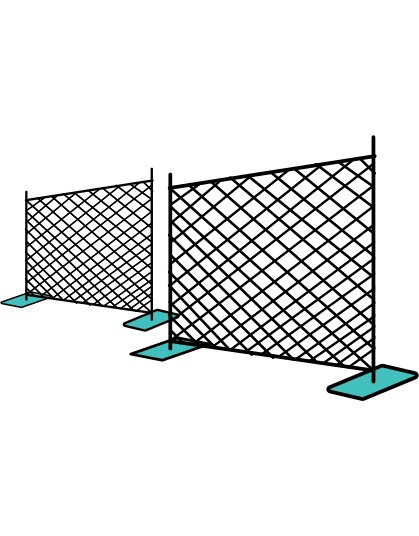
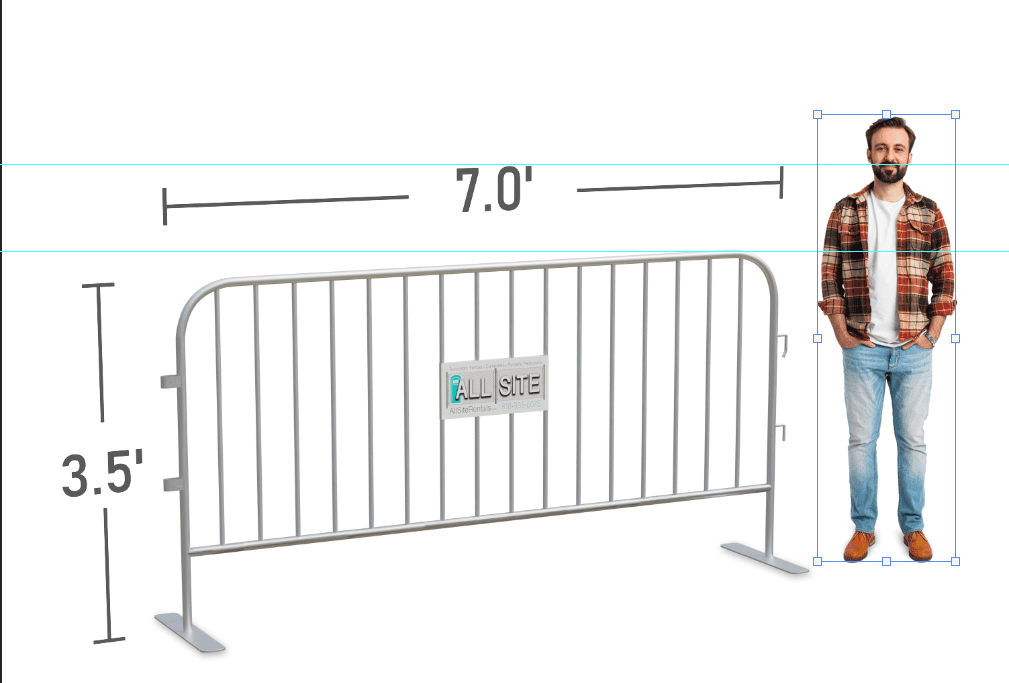
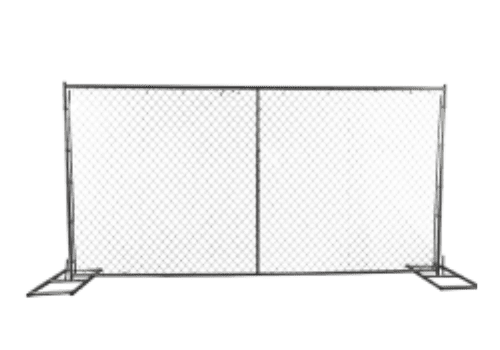
Lightweight but versatile. These rely on weighted bases and couplers, with stabilizers or anti-lift devices for windier areas.
On-Ground Systems
Ideal for asphalt, concrete, or indoor use. Panels sit in weighted bases without penetrating the ground, keeping surfaces intact.
Plastic Barrier Mesh (Orange Safety Fencing)
Secured with stakes or posts. Works best for hazard marking and crowd flow, not high-security applications.
Chain Link Fencing
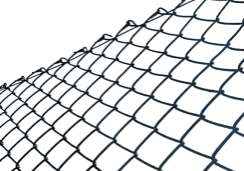
A heavier-duty choice. Anchored with stakes or concrete blocks, this option is built for longer-term use and stronger security.
Steel Hoarding Panels
Solid panels that block visibility and resist tampering. These usually require concrete foundations or ballast blocks.
Wooden Temporary Fencing
Often chosen for aesthetics or conservation projects, these are installed with posts driven into the ground or weighted bases.
Common Securing Methods Explained
Temporary fencing is only as good as the methods used to secure it. The most effective techniques include:
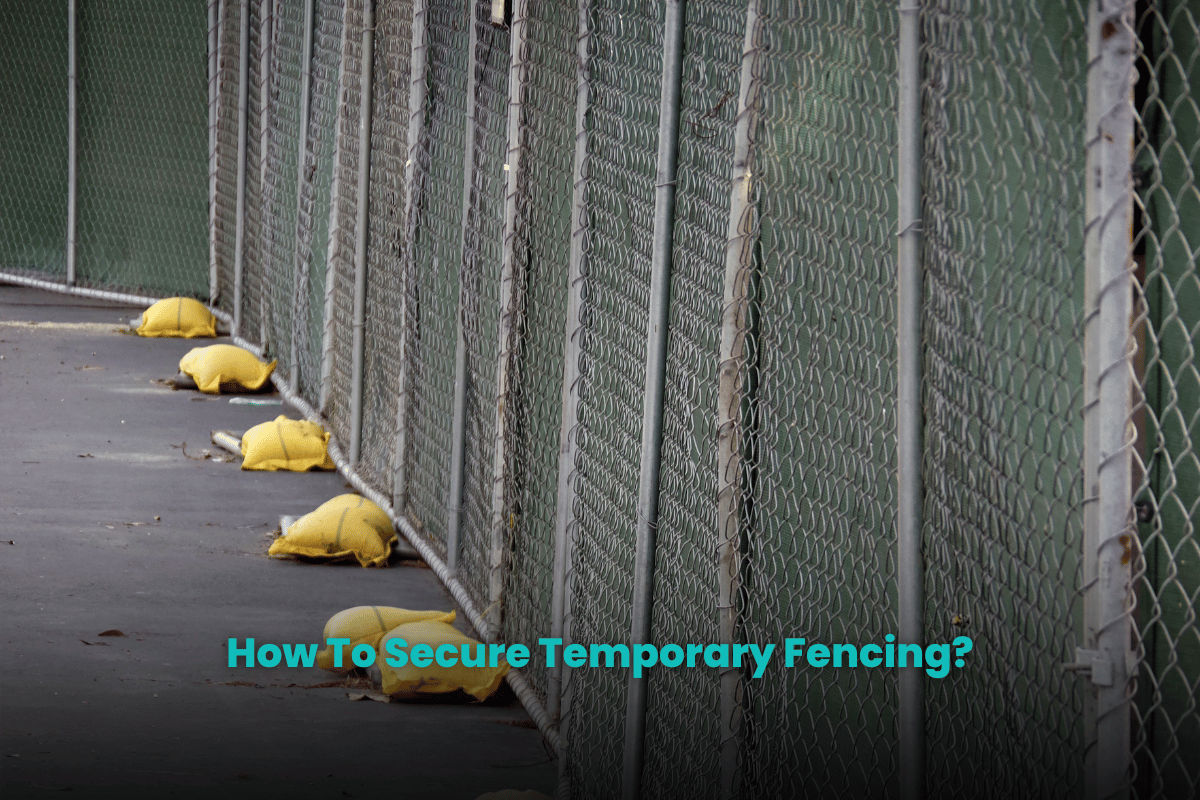
- Weighted Bases. Concrete or sand/water-filled blocks placed at the base of panels. Best for hard surfaces.
- Ground Stakes/Anchors. Driven into soil or grass for a firm hold. Requires care to avoid underground utilities.
- Bracing/Support Struts. Diagonal braces that prevent panels from swaying or toppling, especially at corners and bends.
- Coupling Clamps. Lock panels together at multiple points (top, middle, bottom). Essential for stability.
- Anti-Lift Clips & Anti-Climb Features. Make it harder for trespassers to tamper with panels.
- Guy Wires & Tension Cables. Provide extra reinforcement in high-wind zones.
- Gate Locks & Chains. Secure entry points to maintain the integrity of the fence line.
Often, a combination of these methods is necessary to balance stability and flexibility.
Choosing Between Concrete Blocks, Stakes, and Braces
So which is best: blocks, stakes, or braces? It depends on your site:
- Concrete Blocks: Heavy, stable, and perfect for asphalt, car parks, or urban sites. They’re also quick to relocate.
- Ground Stakes: The go-to for soft soil or grass. Reliable, but unusable on concrete.
- Braces: Add them wherever extra lateral support is needed: windy zones, sloped ground, or long straight runs.
For maximum security, many sites use a hybrid approach – stakes where possible, blocks for hard surfaces, and braces at stress points.
Pre-Installation Safety Checks
Before the first panel goes up, run through these checks:
- Confirm boundaries and permissions (no surprises later).
- Inspect fencing materials for damage, rust, or weak points.
- Assess the ground level and slope for stability.
- Ensure gates overlap securely and are lockable.
- Position clamps with nuts facing inward to reduce tampering.
- Display emergency contact signage clearly.
Skipping this step is a recipe for future problems.
Best Practices for Installation & Stability
A professional install is all about process:
- Prepare the site by clearing debris and marking the fence line.
- Anchor from corners to create a strong starting point.
- Work in teams of two for efficiency and safety.
- Overlap panels by 200–300mm for stronger connections.
- Clamp panels securely at three points: top, middle, bottom.
- Brace every 25–30 meters and at all corners.
- Tighten spacing in high-wind areas (6–8 ft instead of 10 ft).
The goal: a fence line that’s stable but adaptable if layouts need to change.
Preventing Fence Tampering or Collapse
Security doesn’t end with installation. Prevent issues by:
- Installing anti-lift brackets under fence feet.
- Using anti-tamper clips requiring special tools.
- Ensuring a continuous fence line with no gaps.
- Adding anti-climb features where trespassing is a risk.
- Running regular inspections to tighten and adjust.
Securing Fencing in High-Wind or Extreme Conditions
Wind is the number one enemy of fencing. To prepare:
- Use mesh panels to reduce wind load.
- Increase the weight of bases.
- Add extra braces along exposed runs.
- Use guy wires for additional anchoring.
- Opt for wind-permeable covers rather than solid banners.
- Inspect fencing immediately after storms.
If you plan for the worst-case scenario, your fence is less likely to fail when it matters most.
Signs Your Fence Is Becoming Unsafe
Watch for these red flags:
- Panels leaning or visibly swaying.
- Missing or loose clamps.
- Bases sinking or shifting.
- Gaps appearing between panels.
- Rust, warped frames, or bent sections.
- Fallen panels after wind events.
Spotting issues early is the best way to avoid costly incidents.
What to Do if a Panel Is Damaged?
If a panel is compromised:
- Assess safely without risking injury.
- Secure the area with extra barriers or caution tape.
- Remove and replace the damaged panel.
- Reinforce posts if necessary.
- Check alignment and stability across the whole line.
- Document repairs for compliance and insurance.
A damaged panel is a weak link – don’t leave it for later.
Maintenance & Ongoing Inspections
Securing fencing is an ongoing responsibility:
- Inspect daily on construction sites.
- Check before, during, and after public events.
- Increase inspection frequency after storms.
- Tighten fittings and replace damaged parts immediately.
- Keep documentation for compliance.
Think of fencing like a safety net: it only works if you know it’s intact.
Keep Your Site Safe & Compliant
Secure fencing solutions tailored to your project needs.
Frequently Asked Questions
How long can temporary fencing stay in place?
Temporary fencing can remain in place for weeks or even months, provided it’s inspected regularly and maintained. For long-term projects, it’s best to schedule routine checks after severe weather or heavy site use.
Can I secure temporary fencing on asphalt without damaging the surface?
Yes. Weighted bases or ballast blocks are designed for non-penetrating installation, making them perfect for asphalt, concrete, or indoor floors without leaving permanent marks.
Do I need permits to install temporary fencing?
In many areas, permits are required if fencing extends into public walkways or roads. Always check local regulations before installation to avoid fines or forced removal.
What’s the difference between temporary fencing for events and construction sites?
Event fencing focuses on crowd control and aesthetics, while construction fencing is designed for durability, security, and compliance. Both require proper securing, but the priorities differ.
Conclusion
At the end of the day, how to secure temporary fencing comes down to doing the basics well and not cutting corners.
A fence that topples in the wind or leaves gaps isn’t just annoying – it can mean stolen equipment, liability claims, and projects grinding to a halt.
The sites that stay trouble-free are the ones where people thought ahead: right bases for the surface, braces where the ground shifts, clamps that don’t loosen, and regular checks after bad weather.
That’s where we can help. With equipment that’s built for all conditions and crews who know how to install it fast and properly, you don’t have to gamble with safety or compliance. Get a free quote today and keep your site secure, compliant, and moving forward.