





How Do Porta Potties Work? Everything To Know
How Do Porta Potties Work? Everything To Know
Portable toilets (aka porta potties) might not be glamorous, but they’re essential.
From crowded festivals to bustling construction sites, they offer a sanitary restroom option where traditional plumbing doesn’t exist.
And while they might seem simple on the surface, there’s quite a bit of science and engineering behind them.
So, how do porta potties work? We’ll break it down step by step.
Key Notes
- Blue chemical solution breaks down waste, kills germs, and controls odors.
- Vacuum trucks extract waste for transport to wastewater treatment facilities.
- Regular servicing prevents overflowing and maintains hygiene standards.
- Proper ventilation systems reduce internal odors and circulate fresh air.
What Is a Porta Potty?
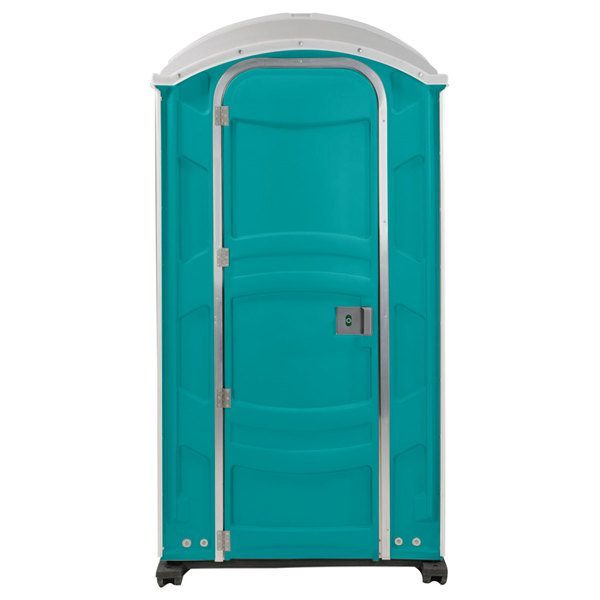
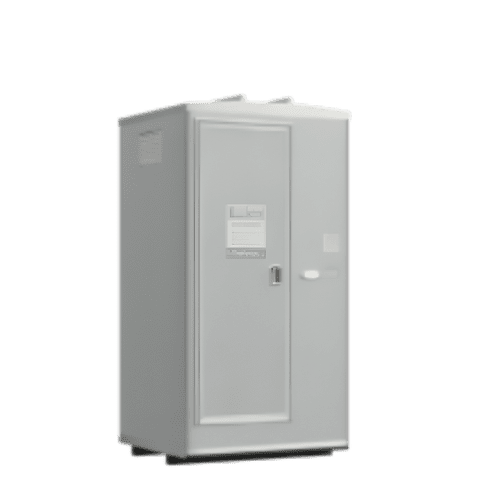
A porta potty (short for portable toilet) is a self-contained restroom unit designed for temporary use.
These units don’t require any connection to plumbing or sewage lines and can be deployed almost anywhere – from dusty job sites to elegant outdoor weddings.
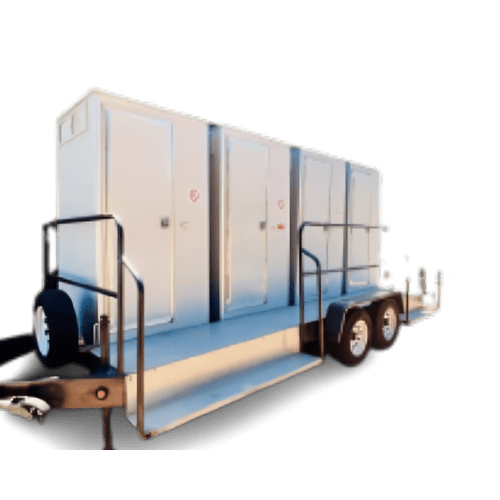
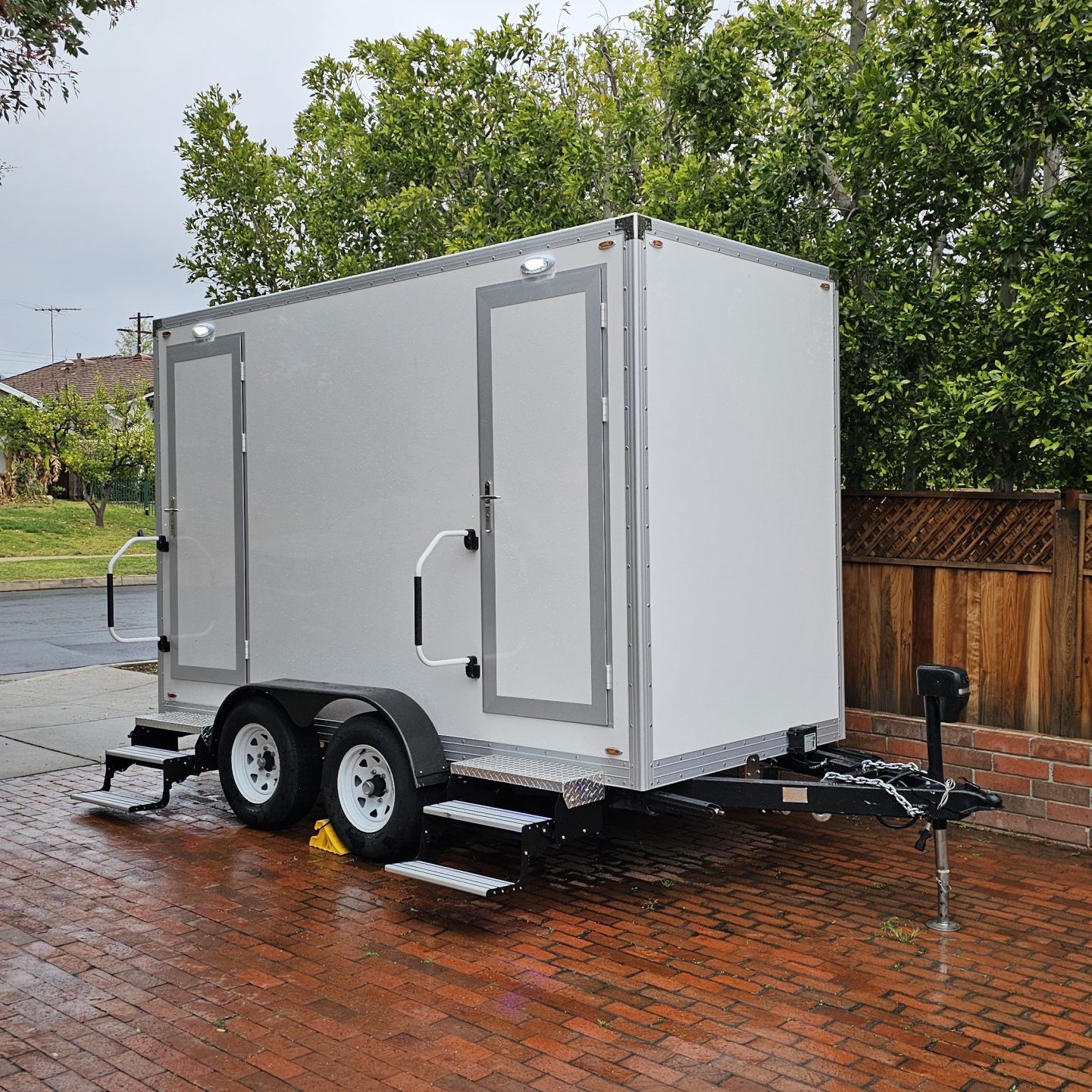
They come in various forms, from basic single units to high-end restroom trailers with flushing toilets, lighting, and climate control.
But the core concept is the same: offer a clean, reliable place to go when there’s no restroom nearby.
Anatomy of a Porta Potty: What’s Inside?
Despite their simplicity, porta potties have several key components that make them functional and (relatively) pleasant to use:
- Toilet Seat & Bowl: This is where waste enters the system.
- Holding Tank: A sealed reservoir beneath the seat, typically holding 50–70 gallons of waste.
- Blue Chemical Solution: A powerful mix that breaks down waste, kills germs, and controls odor.
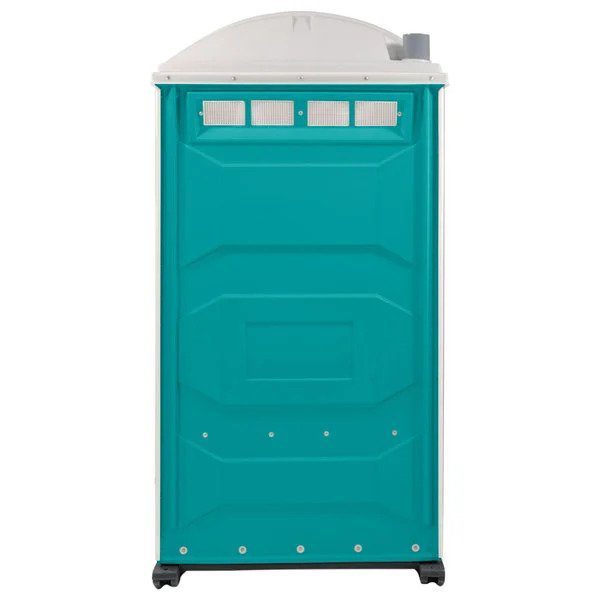
- Ventilation Pipe: Helps release gases and circulate fresh air.
- Urinal: A splash-free addition for quicker, cleaner use.
- Exterior Shell & Door: Durable, weather-resistant, and private.
- Supplies Dispenser: Stocked with toilet paper, hand sanitizer, and sometimes paper towels.
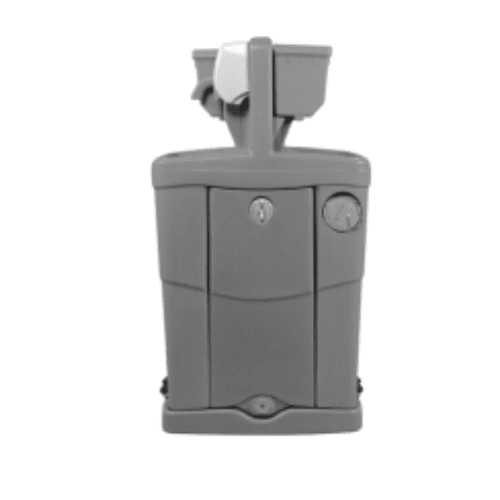
Some models also include a flush system or even running water sinks.
The Science Behind the Smell (or Lack of It)
Let’s be honest – most people associate porta potties with unpleasant odors.
But the smell (or lack thereof) largely depends on how well the unit is maintained and ventilated.
- Chemical Treatment: The blue liquid in the tank contains a blend of deodorizing agents, disinfectants, and enzymes. Modern formulas often use eco-friendly compounds to break down waste and neutralize bacteria without harming the environment.
- Ventilation Systems: The vent pipe allows gases to escape while pulling in fresh air, reducing the internal odor. In luxury units, fans or mechanical ventilation systems might be used to boost airflow.
How Is Waste Handled?
When you use a porta potty, everything goes into the holding tank. From there, waste is stored securely and chemically treated until it can be professionally removed.
Here's what that looks like:
Step 1: Vacuum Extraction
A sanitation worker connects a vacuum hose to the porta potty’s waste access port. Using a vacuum truck, all waste is suctioned into a sealed tank onboard.
Step 2: Transport
The waste-filled truck transports the contents to a wastewater treatment facility.
Depending on the location, it might be a municipal plant or a privately operated one.
Step 3: Treatment & Disposal
- Solids are screened out, sometimes converted to biosolids or sent to landfills.
- Liquids go through multiple stages of treatment: biological processing, disinfection, and final purification before safe discharge or reuse.
Some facilities even use advanced treatment methods to turn waste into fertilizer or biogas.
Cleaning & Restocking
Once the waste is removed, the porta potty gets a full refresh:
- Interior is scrubbed from top to bottom
- Toilet seat and walls are disinfected
- Blue chemical solution is replenished
- Supplies like toilet paper and sanitizer are restocked
Sanitation workers wear gloves and masks, following strict hygiene protocols.
In hot weather or at high-traffic events, this cleaning might happen daily to stay ahead of odor and mess.
Porta Potty Types: One Size Doesn’t Fit All
Here are the main types and how they differ:
| Type | Features | Best For |
|---|---|---|
| Basic/Flushless | No flush, chemical treatment only | Construction sites, casual use |
| Flushable | Manual or pump flush, water tank included | Events, weddings, VIP areas |
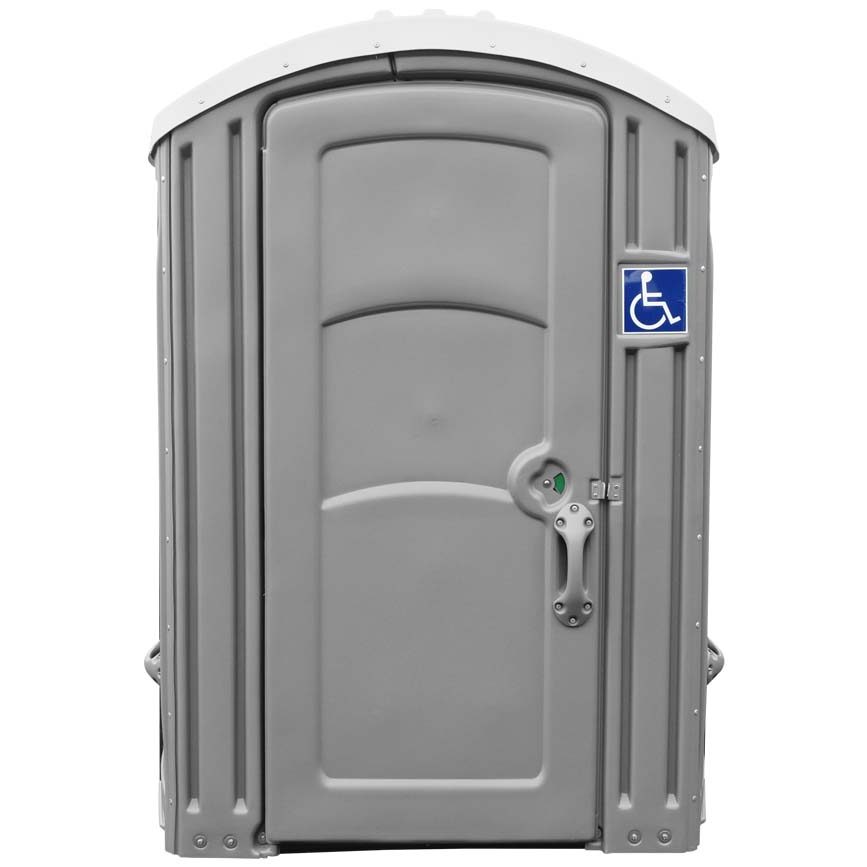
| ADA Compliant | Extra space, flat entry, handrails | Public events, government use |
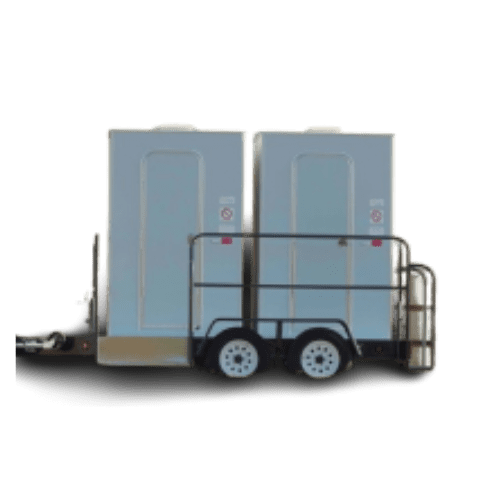
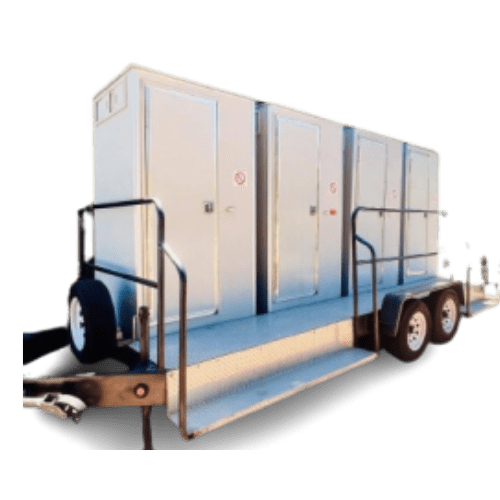
| VIP/Luxury Trailers | Flushing toilets, sinks, lighting, HVAC | Upscale events, long-term setups |
What About Common Issues?
Here are some frequent challenges, and how they're handled:
- Overflowing Tanks: Solved by timely servicing (usually weekly or sooner for high-use sites).
- Unpleasant Odors: Controlled with strong chemicals, ventilation, and frequent cleaning.
- Lack of Supplies: Routine restocking ensures availability of toilet paper and hand sanitizer.
- Vandalism or Damage: Units are regularly inspected and repaired or swapped as needed.
Proper planning (like placing units in shaded areas and positioning them downwind) also goes a long way.
Addressing Misconceptions
Let’s bust a few myths:
- "Porta potties are gross." Not when they’re properly maintained.
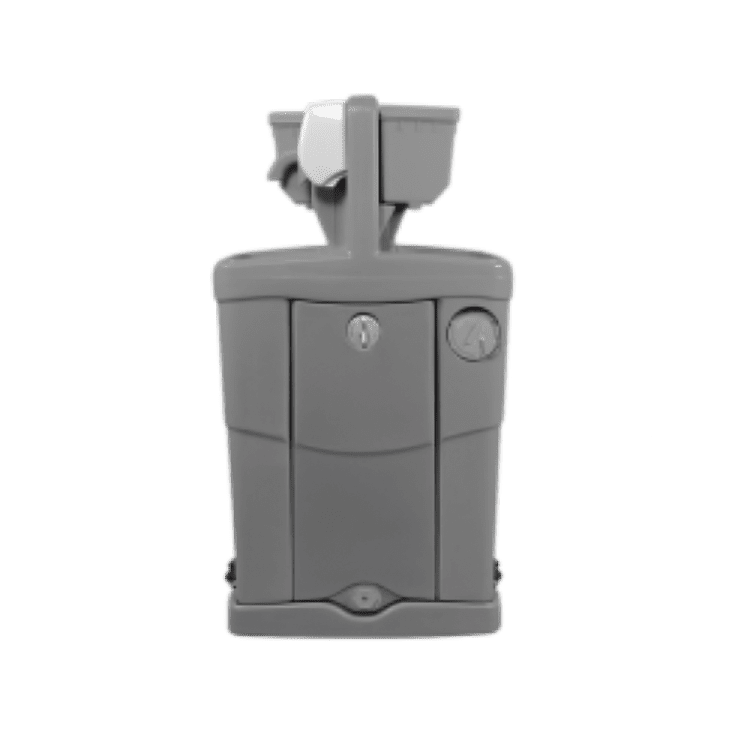
- "They don’t have handwashing options." Many do – or include separate sink stations.
- "They’re only for low-end use." VIP trailers say otherwise.
- "They’re bad for the environment." Actually, they conserve water and use biodegradable chemicals.
Reliable Restrooms, Wherever You Need Them
Fast setup, clean units, no plumbing required.
Frequently Asked Questions
How long can a porta potty go without being emptied?
On average, a standard unit can go about a week with moderate use (roughly 75–100 uses). For high-traffic sites or events, more frequent servicing is recommended to prevent overfilling and maintain hygiene.
Can porta potties be used in winter?
Yes. Winter additives like rock salt or brine are used in the holding tank to prevent freezing. Insulated or heated units are also available for colder climates or longer-term winter use.
Are porta potties safe for kids to use?
They’re generally safe, but younger children may need supervision due to the height of the seat and limited space. ADA-compliant units often offer more room and easier access for families.
Do porta potties attract pests?
When properly maintained and serviced, they don’t. Sealed tanks, secure doors, and routine cleaning help prevent insects or rodents from being an issue.
Conclusion
Porta potties work thanks to a mix of practical design, chemical treatment, and regular servicing.
Waste is collected in a sealed holding tank, where it’s broken down and deodorized by a blue chemical solution. Ventilation helps manage odor, and everything from waste removal to restocking is handled by trained professionals.
Whether it’s a basic unit or a VIP trailer, the goal is the same: provide a clean, reliable restroom where plumbing can’t reach.
If you’re planning a project, outdoor event, or public gathering, we can help you set up clean, properly maintained porta potties that work the way they should. Get a free quote from All Site Rentals and let’s find the right fit for your needs.