

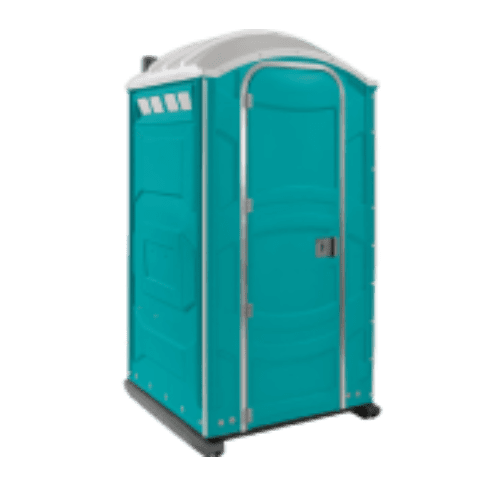

Can You Put A Porta Potty Indoors?
Can You Put A Porta Potty Indoors?
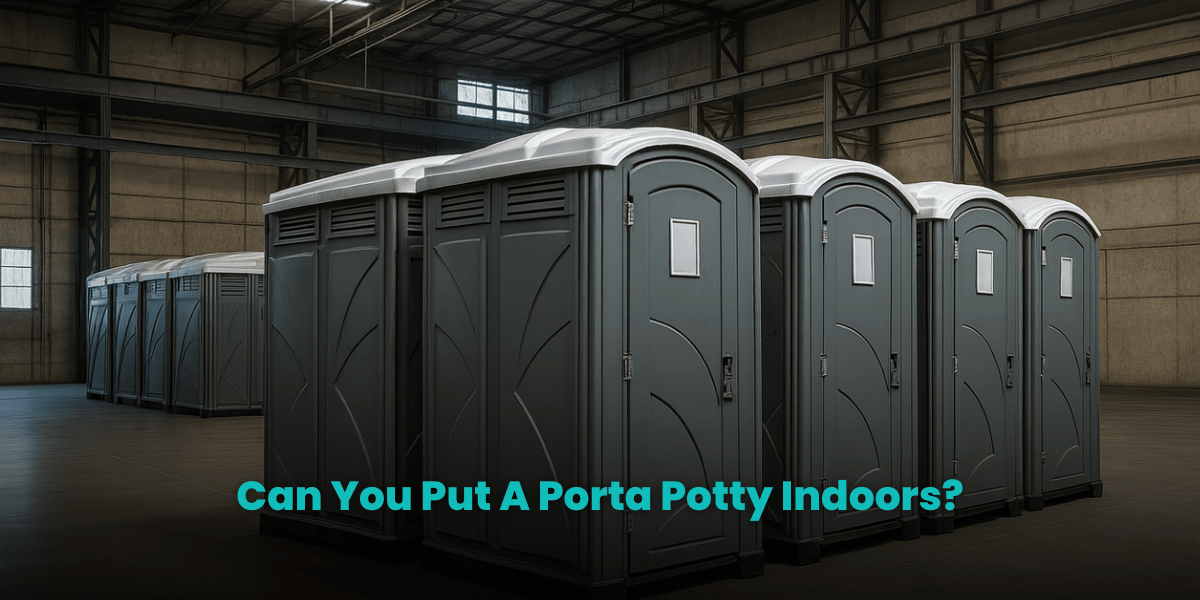
It’s not every day you need to figure out how to set up a porta potty indoors. But when you do, the rules aren’t always obvious.
Between ventilation, flooring, and whether it’s even allowed, there’s a lot to consider.
We’ll cover what works, what doesn’t, and how to get it right without creating a mess.
Key Notes
- Indoor porta potties are legal in California with proper ventilation, ADA compliance, and sanitation.
- Ventilation is critical to prevent odor buildup and gas accumulation indoors.
- Tile/concrete floors work best, but avoid carpet, and always use waterproof protection underneath.
- Weekly servicing minimum required; high-traffic areas need 2-3 times per week.
Is It Legal to Put a Porta Potty Indoors?
Short answer: yes, but with conditions.
There aren’t any blanket laws prohibiting indoor porta potties in California, but several health, safety, and building codes apply:
- OSHA & Cal/OSHA regulations require clean, accessible restroom facilities for workers. These rules apply whether the restroom is indoors or out. For example, at least one toilet must be provided per 20 workers, and 5% of units must be ADA-compliant.
- California building codes don’t outright ban indoor portable toilets for temporary use, but they do require ADA compliance where relevant, as well as sanitation, privacy, and proper placement.
- Local health departments may have additional rules, especially for spaces serving food or open to the public. It’s always smart to check locally before placing a unit indoors.
As long as you meet basic safety, hygiene, and accessibility standards, you’re in the clear.
When Does It Make Sense to Use a Porta Potty Indoors?
Putting a porta potty inside isn’t typical, but there are several scenarios where it makes sense:
- Home or building renovations where plumbing is shut off or restrooms are inaccessible.
- Large indoor events (conferences, trade shows, concerts) that exceed the venue’s restroom capacity.
- Emergency situations, like plumbing failures, floods, or utility outages.
- Indoor construction sites (think warehouses, big box stores, or facilities under development) where workers are far from a functioning restroom.
When done right, indoor placement can be more convenient than hauling people across a site or outdoors in bad weather.
Risks of Indoor Porta Potty Use (& How to Manage Them)
Putting a porta potty indoors isn’t without challenges, but each one can be managed with the right setup.
Hygiene Risks
Porta potties can harbor bacteria like E. coli and Staphylococcus if they’re not properly cleaned.
Indoors, where air isn’t circulating as freely and surfaces are shared, the risk of germ spread can be higher.
How to reduce hygiene risks:
- Ensure frequent professional cleanings and servicing
- Provide a nearby handwashing station or hand sanitizer dispenser
- Keep cleaning supplies on hand and educate users on safe use
Odor Risks
This is the big one. Odors from portable toilets stem from chemicals, waste, and gases like ammonia or methane. And indoors, they can build up fast if ventilation is poor.
How to prevent odor issues:
- Use a unit with a vent stack or built-in ventilation system
- Place the unit near open windows, fans, or areas with strong natural airflow
- Install a mechanical exhaust fan if needed
- Stick to a frequent pumping and deodorizing schedule
Leakage Risks
If the unit is cracked or not sealed properly, leakage is a serious sanitation hazard.
How to prevent leaks:
- Only use high-quality units from a reputable provider
- Place the unit on a waterproof mat or tray
- Inspect for structural integrity before and during use
Indoor Porta Potty Ventilation Requirements
Ventilation is non-negotiable. Whether through natural or mechanical means, you need to keep air moving to:
- Minimize unpleasant smells
- Prevent gas buildup
- Reduce airborne pathogens
Best Practices for Ventilation:
- Place units near open windows or doors
- Use exhaust fans or portable ventilation units to move air out
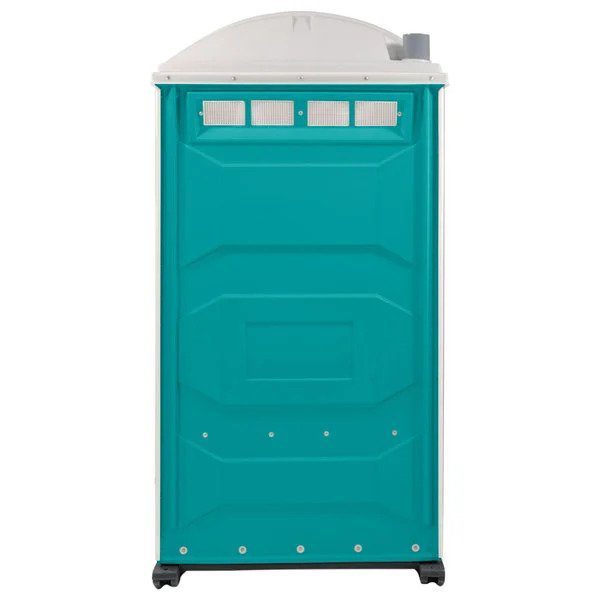
- Choose porta potties with built-in vent stacks that direct gases upward and away
- Avoid sealing off the room or closing all vents during use
This is especially critical for events, indoor worksites, or enclosed areas with limited airflow.
Flooring Considerations
Some floors handle indoor porta potties better than others.
Best: Tile or Sealed Concrete
- Easy to clean
- Moisture-resistant
- Not absorbent
Okay With Protection: Hardwood
- Can stain or warp if exposed to moisture
- Use a waterproof mat underneath to protect the wood
Avoid: Carpet
- Absorbs leaks and odors
- Extremely difficult to clean
- Only consider with full protection underneath, if at all
Bottom line: place the unit on a stable, easy-to-clean surface with waterproof protection no matter the flooring type.
Waste Disposal & Maintenance Indoors
Waste handling is basically the same as outdoor porta potty use – with a few extra precautions for indoor setups.
- Waste collects in a sealed holding tank below the seat.
- A professional sanitation tech connects a vacuum hose to the unit to pump waste into a sealed truck outside.
- The interior is then cleaned, deodorized, and restocked.
- Waste is transported to a licensed wastewater treatment facility.
Indoor-Specific Precautions:
- Keep ventilation running during service
- Use floor protection to prevent contamination during maintenance
- Schedule cleaning based on expected traffic (weekly or more)
ADA & Accessibility Requirements
If your indoor space serves the public or workers, ADA rules apply:
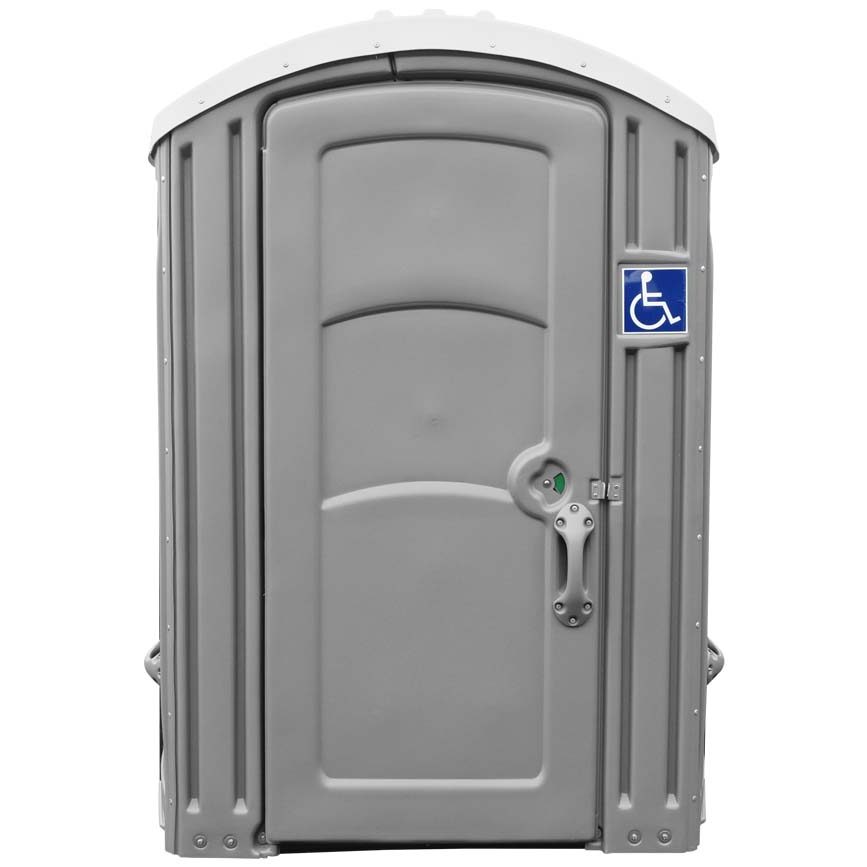
- At least 5% of units must be ADA-compliant
- Doorways, turning radius, grab bars, and ramp access must all be accounted for
- Placement should be accessible without obstruction or steps
Best Practices for Indoor Porta Potty Setups
Here’s a quick checklist to help you set up smart:
- Ventilate the space properly. Whether it’s open windows or an exhaust fan, don’t let air get stale.
- Pick your placement wisely. Make sure it’s out of heavy foot traffic, not blocking exits, and easy to access.
- Use a waterproof mat underneath. This protects your flooring from leaks, moisture, and chemical damage.
- Avoid carpeted areas. If unavoidable, use extra layers of protection and consider a unit with an enclosed base.
- Provide handwashing or sanitizer nearby. Hygiene doesn’t stop at the door – make it easy to stay clean.
- Stick to a regular service schedule. Don’t wait for it to become a problem. Frequent cleaning keeps things safe and comfortable.
- Label the unit clearly. Especially helpful in busy areas so users know where to go.
- Talk to your provider. They’ve seen it all. Ask for setup tips specific to your space.
Alternatives to Standard Porta Potties Indoors
Depending on the space and event, you may consider:
- Deluxe flushable units with interior sinks
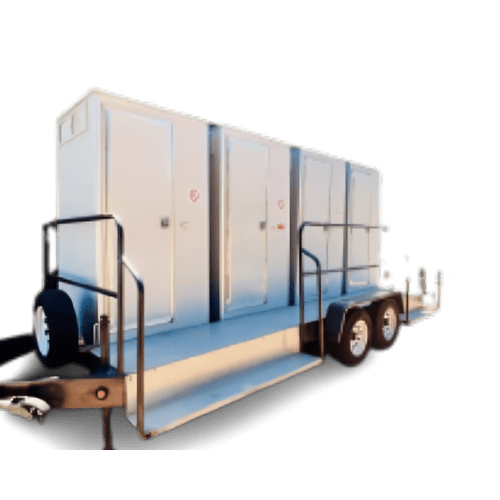
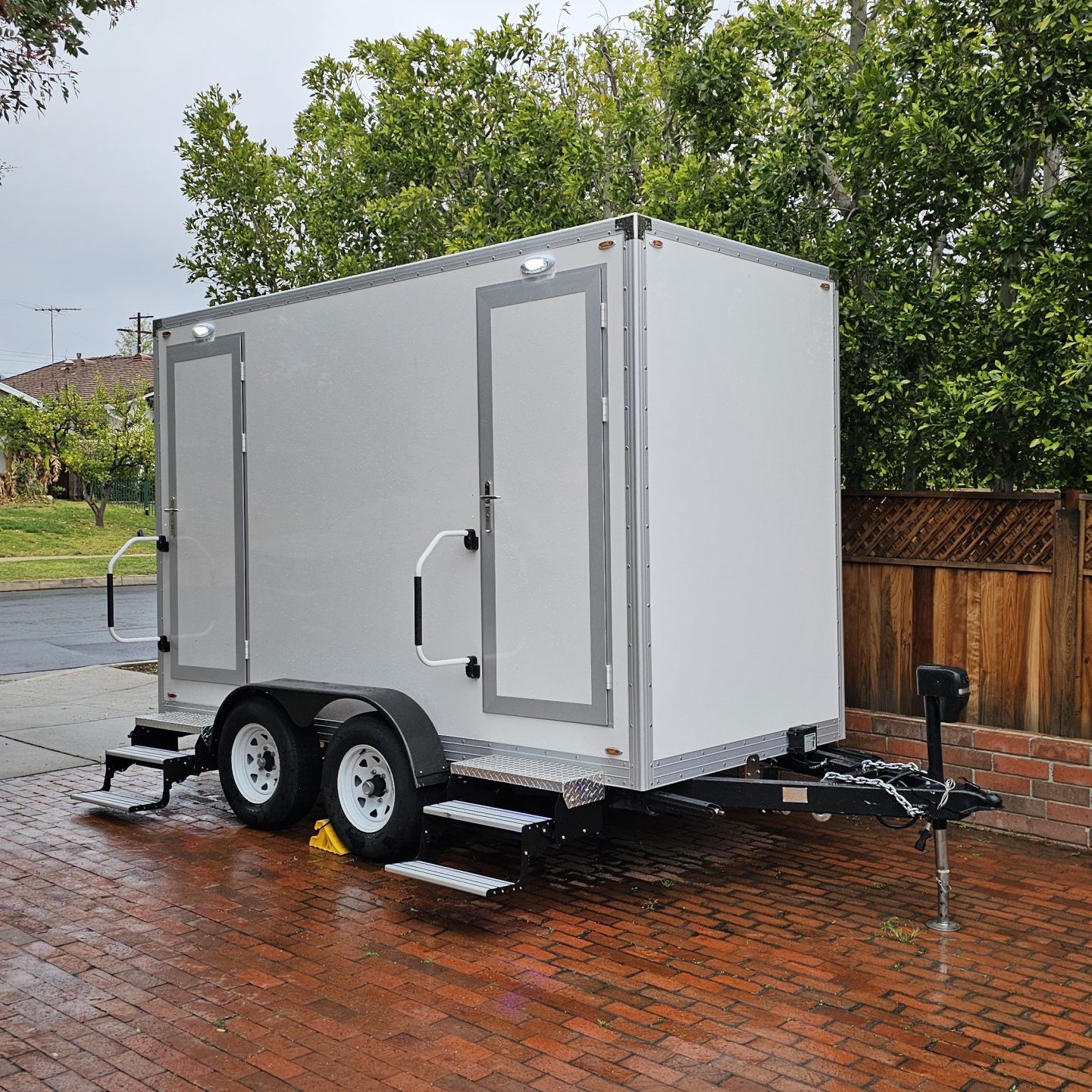
- VIP restroom trailers (if access and space allows)
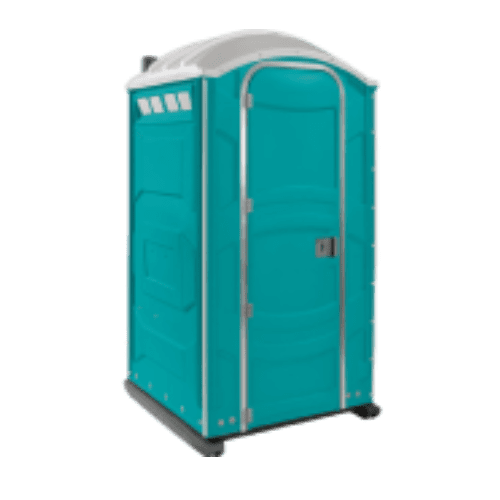
- Interior-friendly porta potty models designed for indoor air handling
Frequently Asked Questions
Can a porta potty smell up an entire building if placed indoors?
It can, especially without proper ventilation. Using exhaust fans, open windows, and deodorizing treatments keeps smells contained and manageable.
How long can you keep a porta potty indoors before it needs servicing?
It depends on usage, but typically once a week is standard. For high-traffic areas, 2–3 times per week may be necessary to prevent overflow and odor buildup.
Can porta potties be locked when used indoors to prevent unauthorized use?
Yes, most units come with interior locks for privacy and exterior locks for access control when not in use. This is especially helpful in shared or public spaces.
Do indoor porta potties require a plumbing hookup?
Nope – they’re fully self-contained. Waste is stored in a sealed holding tank and pumped out by service technicians on a scheduled basis.
Conclusion
So, can you put a porta potty indoors? Yes, and in the right situations, it makes total sense.
From home remodels to warehouse projects and packed indoor events, sometimes indoor placement is simply the most practical option.
But it only works if you get the details right: good airflow, safe placement, regular servicing, and the right type of unit for the space. Flooring matters, so does hygiene, and no one wants to deal with lingering smells or leaks inside.
If you're looking for a setup that works without causing issues down the line, we make it easy. Get a free quote for clean, indoor-ready porta potty rentals with fast delivery, proper servicing, and support that helps you get it right from the start.