



Are Porta Potties Sanitary? Here’s Everything You Should Know
Are Porta Potties Sanitary? Here's Everything You Should Know
Porta potties are sanitary – that's the short answer.
The longer one comes down to maintenance, unit ratios, and whether the company you hired shows up on schedule.
Get those three things right and you're working with a legitimate sanitation solution. Let them slip and you've got a problem – portable or not.
We’ll cover what controls cleanliness, how different unit types compare, the compliance side, and what to ask a rental provider before you book.
Key Notes
- Porta potty sanitation is determined by maintenance frequency, not unit type.
- Well-serviced portable units are often cleaner than permanent public restrooms.
- California law sets minimum toilet ratios, ADA requirements, and handwashing standards.
- The right number of units per person is as important as how often they're cleaned.
What "Sanitary" Means & What It Doesn't
Sanitary doesn't mean sterile.
No public restroom – portable or permanent – is free of bacteria. Studies show that even visibly clean public restrooms have bacteria on 20–40% of sampled surfaces within hours of being cleaned. That's just how shared spaces work.
Are Porta Potties Sanitary? The Honest Breakdown
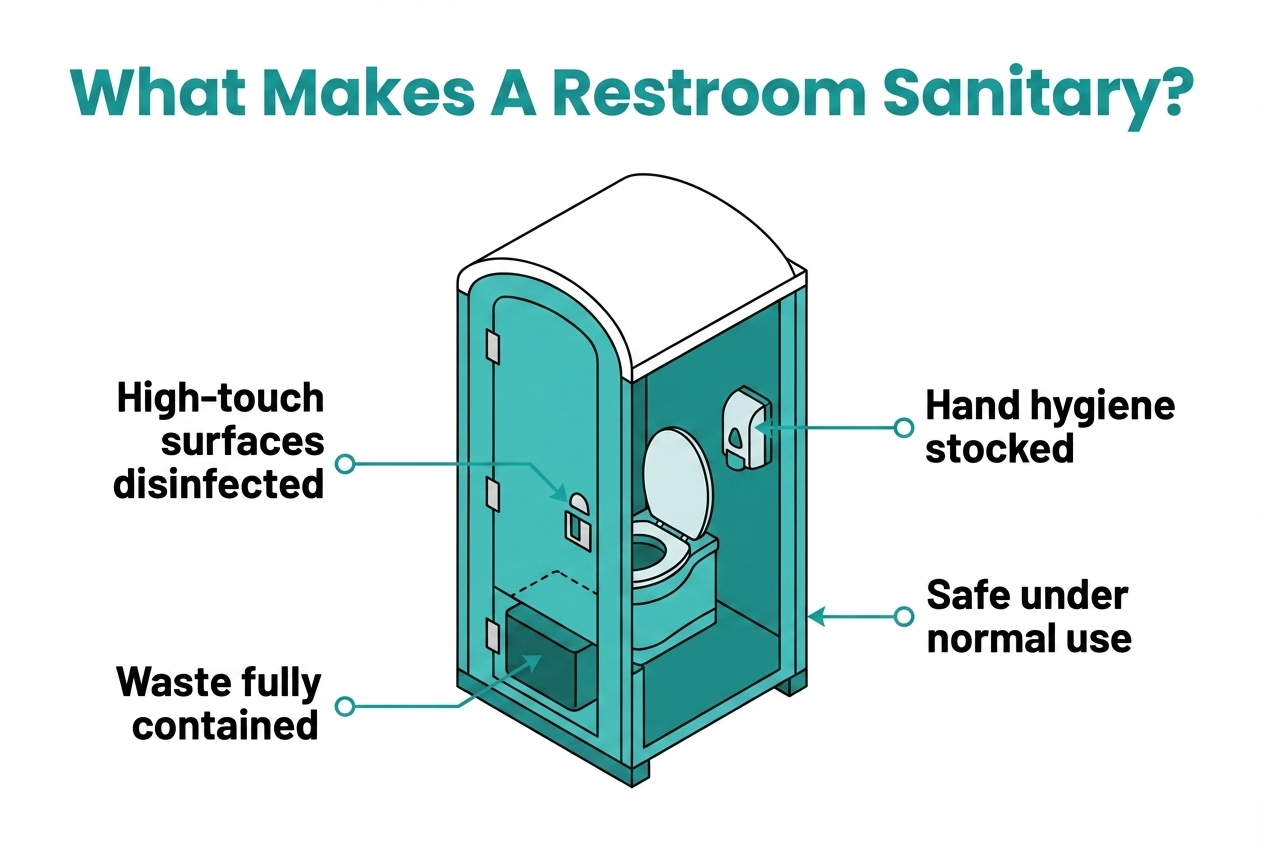
Porta potties are sanitary when the right conditions are in place.
Here's what that looks like in practice:
A Porta Potty Is Sanitary When:
- It was thoroughly cleaned, disinfected, and pumped before delivery
- It's being serviced at the right frequency for the volume of use – weekly for light long-term use, daily or more often at busy events or high-traffic sites
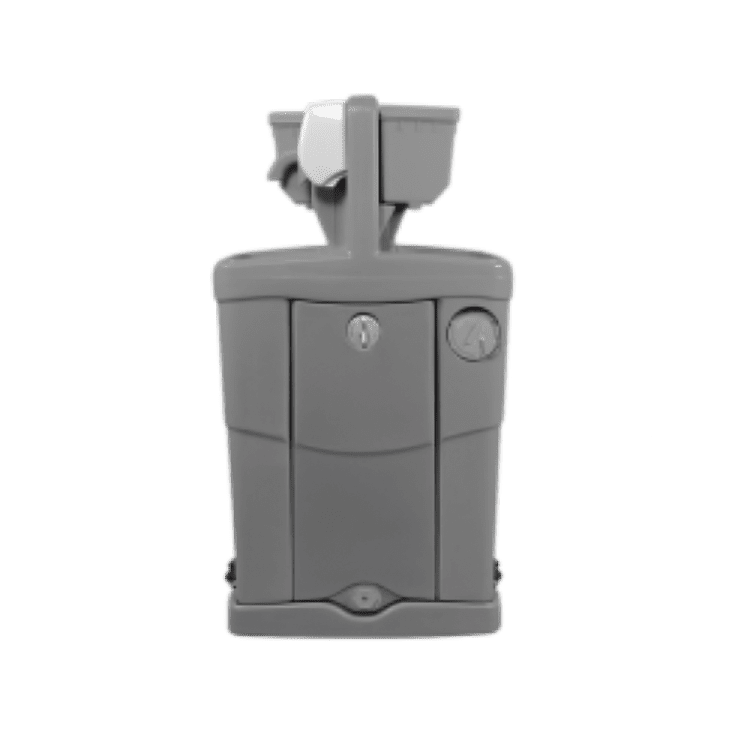
- Hand hygiene is available and stocked (either a handwashing station or effective hand sanitizer)
- The waste tank isn't near full, surfaces are clean, and odor is controlled
- Waste is disposed of by licensed operators through approved sewage systems
A Porta Potty Is Not Sanitary When:
- There's visible waste on the seat or floor, or the tank is overflowing
- Strong, persistent sewage odor indicates the unit is overdue for service
- No toilet paper or hand hygiene is available (this significantly raises fecal-oral transmission risk)
- The unit clearly hasn't been serviced at an appropriate schedule for the number of users
The Through-Line Here Is Maintenance
When those conditions above are met, how dirty are porta potties?
About as dirty as any other public restroom – which, with normal handwashing, poses a very manageable health risk. When those conditions slip, any restroom becomes a problem.
Porta Potties vs Regular Public Toilets: A Fair Comparison
This is where the biggest misconception lives.
Most people assume the split is "portable = dirty; permanent = clean." The reality is more nuanced. Cleanliness tracks with servicing – not with whether a toilet is bolted to the floor.
| Factor | Public Restroom | Porta Potty |
| Cleaned by | Building staff (often 1–3x/day) | Rental service company |
| Cleaning frequency | Varies widely – often inconsistent | Scheduled, logged, contractually defined |
| Attendant available? | Rarely | Common at events and VIP setups |
| Waste disposal | Connected to sewage | Pumped by licensed operators |
| Regulatory oversight | Health codes | OSHA, state sanitation, industry standards |
Cleanliness Tracks With Maintenance, Not Toilet Type
Many airport restrooms, highway stops, and venue bathrooms test poorly for surface contamination – not because they're inherently poorly designed, but because they're cleaned inconsistently and used by enormous numbers of people.
Meanwhile, a well-managed portable restroom at a job site or event, serviced on a proper schedule, can be comparably or even more hygienic.
Does Unit Type Make A Difference?
Unit design does affect how sanitary a porta potty can realistically stay between service visits.
Here's how the main categories compare:
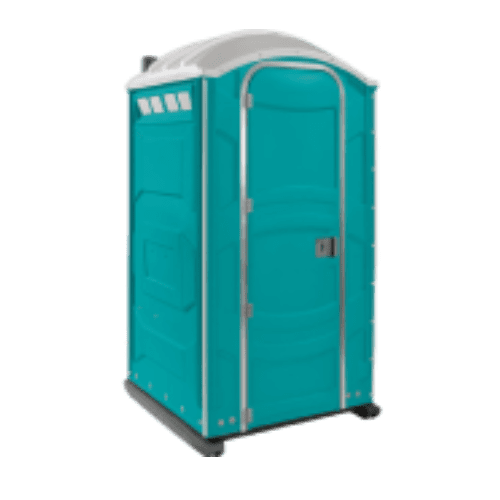
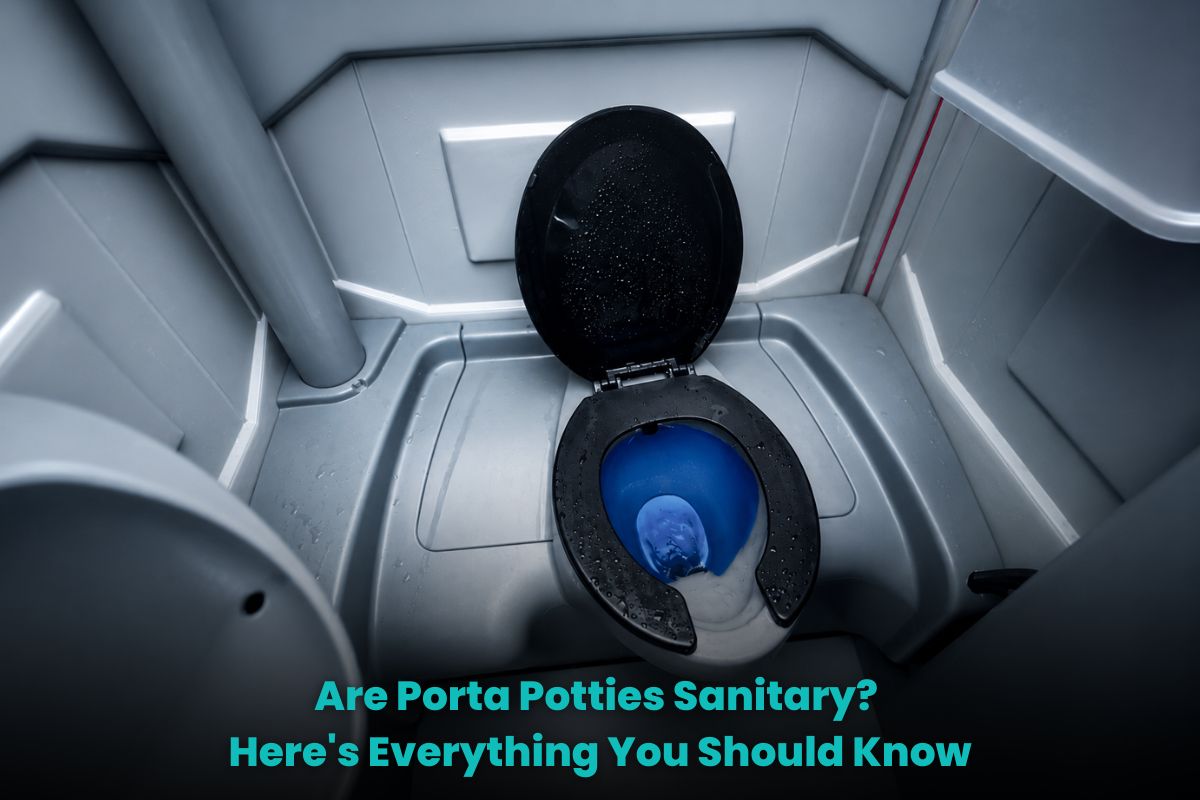
Standard Portable Restrooms
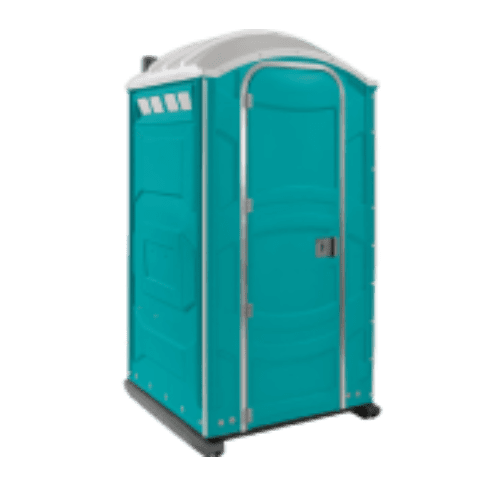
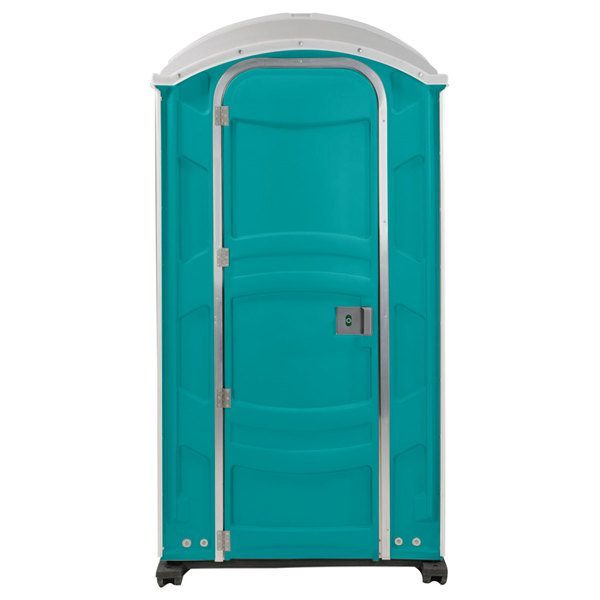
The most common setup – enclosed unit, chemical tank, seat, hand sanitizer.
- No flush mechanism, so waste accumulates in the tank over time
- Surfaces are more exposed to odor and splatter between services
- Perfectly functional on the right service schedule for the right usage volume
Deluxe & Flushable Units
Includes an interior sink and a flush mechanism.
- Flushing reduces direct waste exposure on surfaces
- Enclosed tank keeps conditions more controlled between services
- Easier to maintain sanitary conditions at higher usage volumes
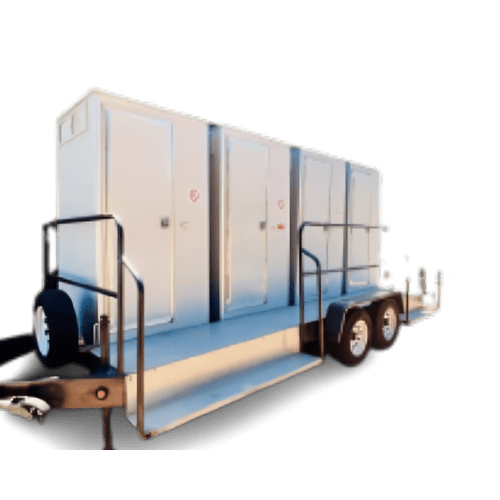
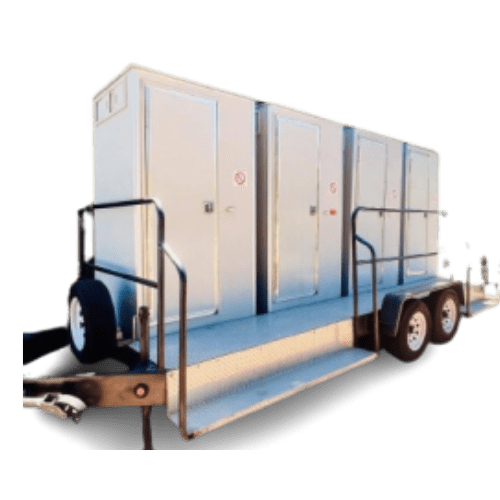
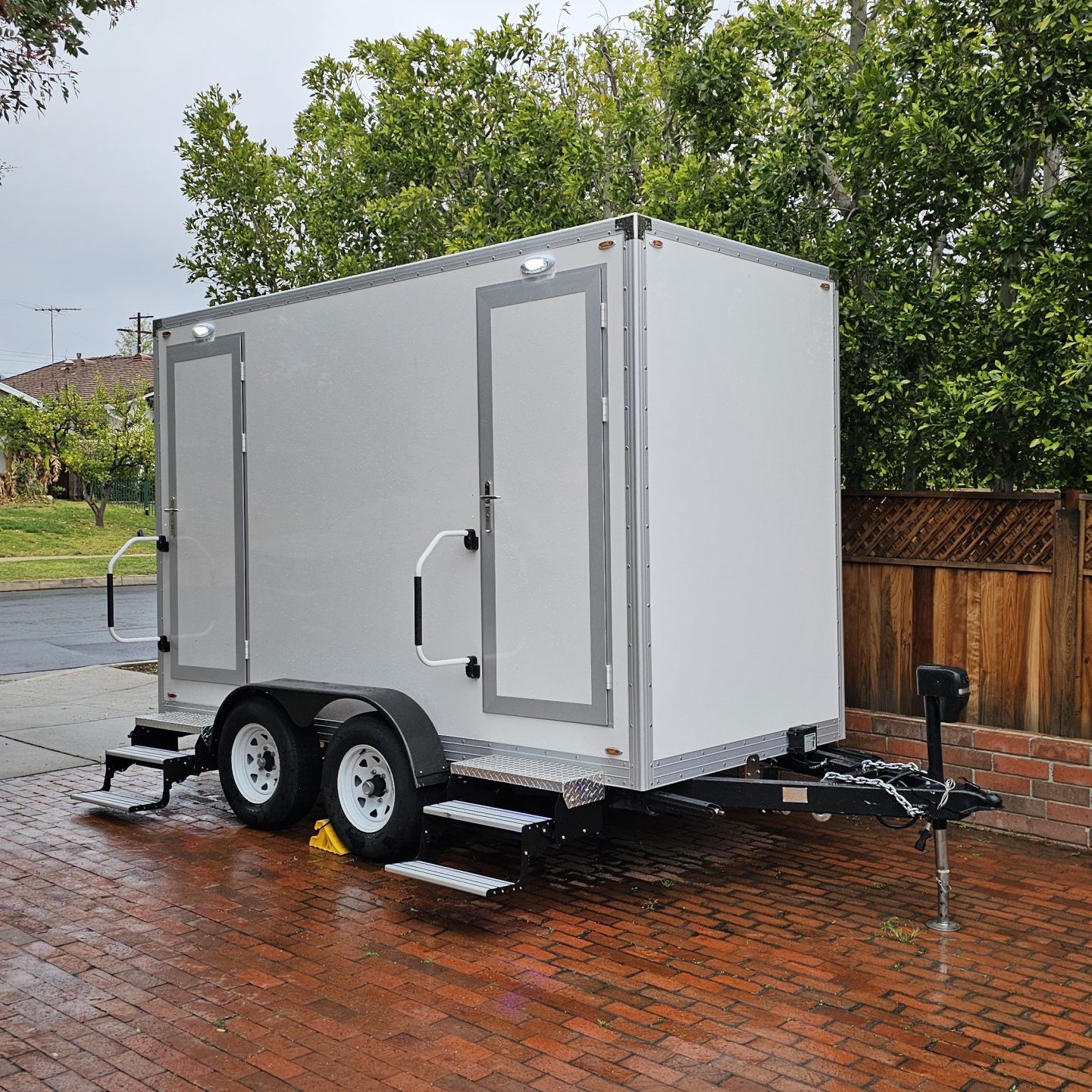
VIP Restroom Trailers
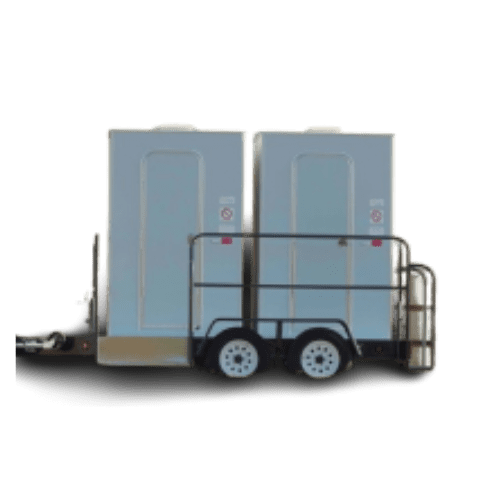
A different category entirely – closest to a standard indoor restroom.
- Full flush toilets, running water, ventilation, interior lighting
- Smooth finished surfaces that clean thoroughly and quickly
- Typically receive more frequent attention, especially at events
- The go-to for weddings, upscale events, and anywhere guest experience matters
The Practical Takeaway:
Standard units work well for construction sites and smaller crews on the right service schedule. For high-attendance events or anywhere hygiene visibility matters, upgrading unit type makes both the experience and the maintenance significantly easier.
Sanitation Isn't Optional – It's a Legal Requirement
Sanitary portable restrooms aren't just a comfort consideration — they're a compliance requirement.
Here's what that looks like across the two most common contexts:
Construction & Work Sites
OSHA-style regulations require employers to provide sufficient, sanitary, accessible toilets on site.
- Ratio: ~1 toilet per 20 workers
- Requirements: Enclosed, ventilated, regularly cleaned, with handwashing access
- Consequences of non-compliance: Citations, required corrective action, financial penalties
Public Events in California
Event organizers are required to provide adequate facilities based on attendance and event duration.
- Ratio: ~1 portable toilet per 50 attendees for a few-hour event — adjusted upward for longer events, larger crowds, or alcohol service
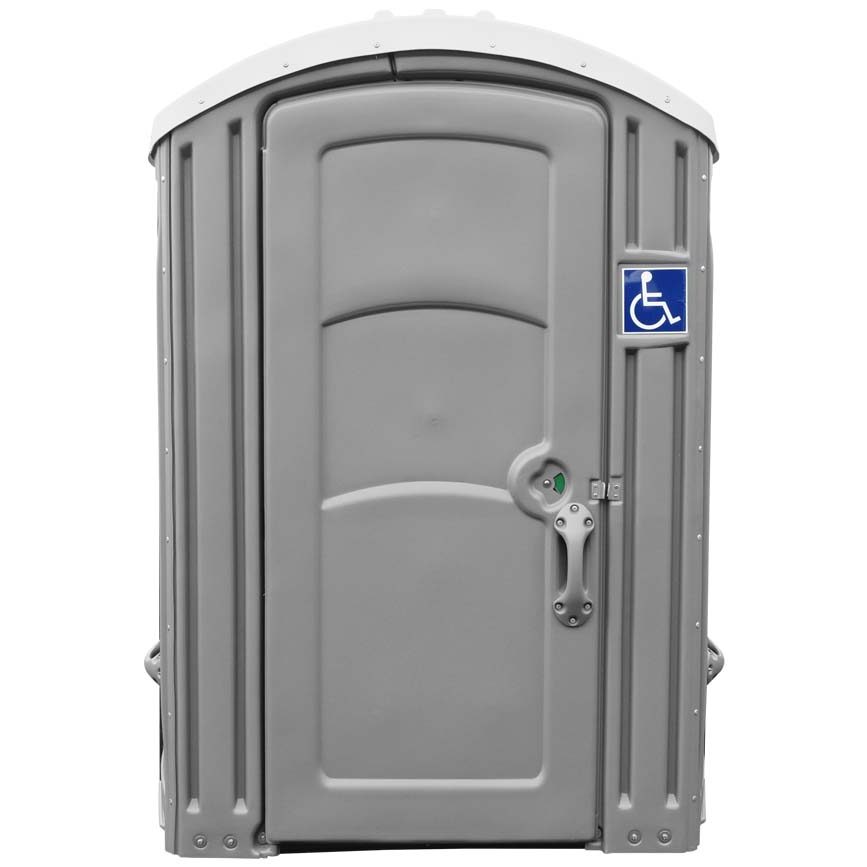
- ADA: At least one ADA-compliant unit required at all public events
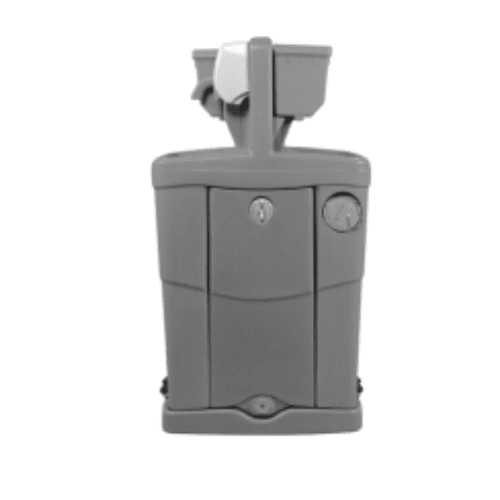
- Handwashing: One handwashing sink per four toilets, with soap, towels, and trash bins
Who's Legally Responsible?
The employer or event organizer – not the rental company.
If conditions are inadequate and someone gets hurt or sick, it's the organizer who faces permit issues, fines, or liability claims. Getting unit count, service frequency, and compliance details right from the start is how you stay on the right side of the law.
Quick Tips For Users: Staying Clean At A Porta Potty
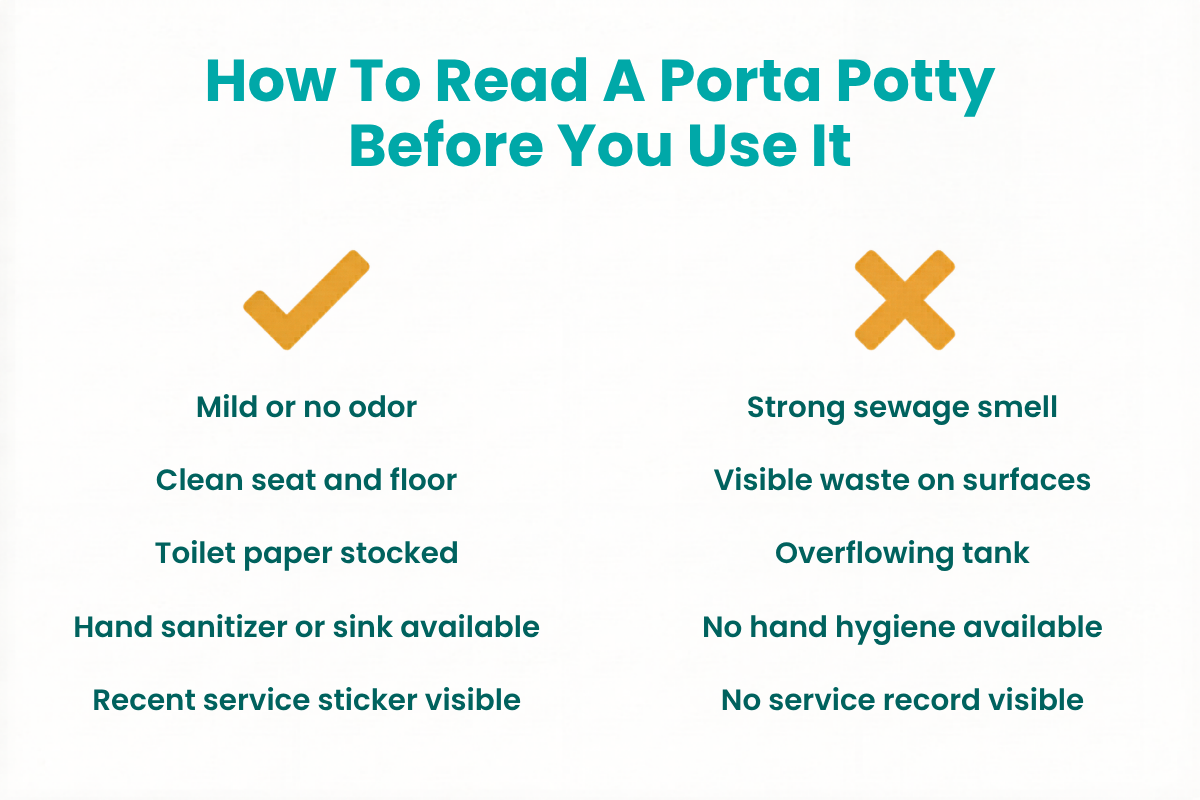
Regardless of how clean the unit looks, always wash or sanitize your hands before touching your face or food. That single step accounts for the vast majority of infection risk in any shared restroom environment – portable or not.
How To Choose A Rental Provider Who Takes Hygiene Seriously
The rental company you choose has a direct impact on whether your portable restrooms stay sanitary.
Here are the questions worth asking before you commit:
Servicing & Capacity:
- How often will each unit be serviced for an event or site like mine?
- What's your recommended unit-to-person ratio, and how does that change with heat, alcohol service, or long hours?
- Is mid-event or emergency servicing available if conditions change?
Cleaning Process:
- What does a standard service visit include – pump only, or full scrub, disinfect, and restock?
- Do technicians sign and date a service sticker inside each unit?
Chemicals & Compliance:
- Do you use formaldehyde-free, biodegradable chemicals?
- Are your trucks and drivers licensed for sewage transport in California?
- Can you provide waste disposal manifests if needed?
Emergency Support:
- What's your response time if a unit is damaged or unusable?
- Do you have after-hours or on-site event day contacts?
A provider who can answer these questions clearly and confidently is one who knows what they're doing. If the answers are vague, that's a signal worth taking seriously.
Ready To Check Every Box On That List?
Get a quote that covers units, servicing & compliance.
Frequently Asked Questions
How often should a porta potty be cleaned?
Porta potties should be cleaned and pumped at minimum once per week for standard job site use. For events or high-traffic sites, servicing should happen daily or multiple times per day – frequency should scale directly with the number of users.
How dirty are porta potties compared to regular toilets?
Porta potties are no dirtier than regular toilets when they're serviced on the right schedule. Surface contamination levels in both come down to cleaning frequency and usage volume – a well-maintained portable unit regularly outperforms a poorly maintained permanent restroom.
Do porta potties spread disease?
A properly maintained porta potty does not spread disease under normal use. The risk of illness comes from inadequate servicing, no handwashing access, or visibly unsanitary conditions – not from portable restrooms as a category.
What chemicals are used in porta potties?
Modern porta potties use formaldehyde-free, biodegradable tank chemicals – typically a blend of biocides, deodorizers, and dye. These break down waste, control odor, and inhibit bacterial growth between service visits. Older units may still use formaldehyde-based formulas, which is worth confirming with your rental provider.
Conclusion
The question of whether porta potties are sanitary has a straightforward answer: yes, when the right systems are in place.
What controls cleanliness isn't the fact that a unit is portable. It's service frequency, the right number of units for the number of people using them, and a provider who actually delivers what they promise.
Get those three things right and a portable restroom is a completely legitimate sanitation solution – for a job site running six months, a 2,000-person outdoor festival, or anything in between. Get them wrong and it doesn't matter how premium the unit is.
If you're planning a project or event in California and want to get the spec right from the start – units, servicing schedule, compliance, the works – get a free quote and we'll walk you through it.